
Young Driver Car Insurance Cost — Idaho
Free to compare
Why Your Premium Jumps When You Add a Young Driver
You're adding a teenager or young adult to your Idaho household policy, and you need to understand what drives the premium increase. The jump isn't just about age: it's about how the carrier re-rates every vehicle on your policy when a young driver is named, how Idaho's $25,000 per person / $50,000 per accident / $15,000 property damage liability minimums apply to every driver on the policy, and whether the young driver will operate one specific vehicle or all of them.
Most households assume the increase is a flat per-driver surcharge. It's not. The carrier re-underwrites the entire policy when you add a young driver, recalculating risk across every vehicle, every driver, and every coverage level. The household with three cars and two experienced drivers sees a different impact than the household with two cars where the young driver will be the primary operator of one. The structure of your policy — how many vehicles, who drives what, and whether you carry minimum or full coverage — determines the actual cost increase more than the young driver's age alone.
“The carrier re-rates every vehicle when you add a young driver — the increase isn't a flat surcharge, it's a full policy re-underwrite.”

Get More Than the Idaho Minimum for Less
Get My Idaho Car Insurance Quote$25,000 / $50,000 / $15,000
Idaho Minimum Liability Limits
Idaho Code Title 49 chapter 12 requires every driver carry at least $25,000 bodily injury per person, $50,000 bodily injury per accident, and $15,000 property damage. These minimums apply to the young driver the moment they're added to your policy, and carriers price the young driver's risk against these thresholds.
Idaho Code Title 49 ch. 12
How Multi-Car Policies Re-Rate When You Add a Young Driver
The carrier does not simply add a young-driver surcharge to your existing premium. When you add a young driver to a multi-car policy, the carrier re-rates the policy from scratch: every vehicle is re-priced based on who can drive it, and the young driver is factored into the risk calculation for every car on the policy unless you explicitly exclude them from specific vehicles.
If your household has three vehicles and you add a 16-year-old, the carrier assumes the young driver has access to all three unless you restrict them. Some carriers let you designate one vehicle as the young driver's primary car and exclude them from the others; others rate the young driver as an occasional operator of every vehicle. The difference in premium between these two structures can be substantial, but not every carrier offers the exclusion option.
The multi-car discount you currently receive stays in place when you add the young driver — the discount applies to the policy, not to individual drivers — but the base premium the discount is applied to goes up. A household paying for liability-only coverage on two older vehicles will see a smaller dollar increase than a household carrying full coverage on two newer cars, because collision and comprehensive premiums rise when a young driver is added to vehicles with those coverages.
Idaho does not mandate personal injury protection or uninsured motorist coverage, so you control whether the young driver is covered under those optional layers. Carriers that write multi-car policies in Idaho include State Farm, Geico, Progressive, Farmers, Allstate, American Family, USAA (military-affiliated households), Liberty Mutual, Nationwide, and Travelers. Not all of them offer the same vehicle-exclusion or primary-driver designation options, so compare how each structures young-driver coverage on a multi-car policy before committing.
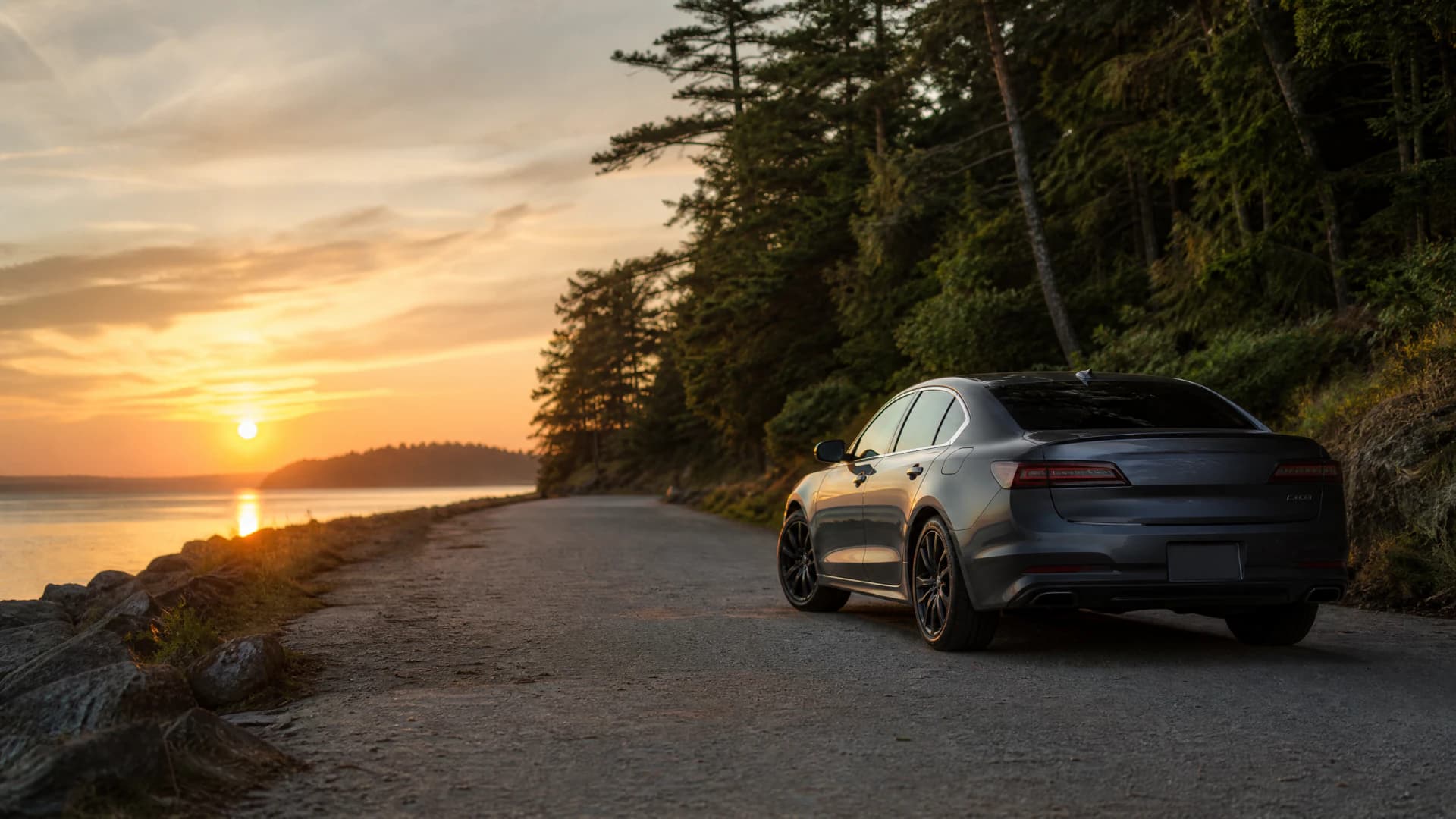
The carrier re-rates every vehicle on your policy when you add a young driver, not just the car they'll drive. Without vehicle exclusions, the young driver is priced as having access to all of them.






Minimum Coverage vs Full Coverage for Young Drivers
You can meet Idaho's legal requirement by carrying only the state minimum liability limits on the vehicle the young driver operates. Minimum coverage costs less up front, but it leaves you exposed: $25,000 per person and $50,000 per accident will not cover a serious multi-vehicle collision, and $15,000 property damage will not cover a totaled newer car. If the young driver causes an accident that exceeds those limits, you pay the difference out of pocket.
Full coverage adds collision (pays for damage to your own vehicle regardless of fault) and comprehensive (pays for theft, weather, vandalism, animal strikes). If the young driver is operating a financed or leased vehicle, the lender requires both. If the vehicle is paid off and worth less than a few thousand dollars, dropping collision and comprehensive and carrying only liability can lower the premium, but you absorb the cost of repairing or replacing the car after any at-fault accident the young driver causes.
The decision depends on the value of the vehicle the young driver operates and your household's ability to replace it. A 10-year-old car worth two thousand dollars may not justify paying for collision and comprehensive; a three-year-old car worth fifteen thousand does. Run quotes for both minimum and full coverage on the young driver's vehicle, then compare the annual premium difference to the vehicle's actual cash value. If the collision and comprehensive premium over two years exceeds the car's value, you're paying more in premiums than the coverage would ever return in a claim.
6.4%
Idaho Uninsured Motorist Rate
6.4% of Idaho motorists drive uninsured (2023). Uninsured motorist coverage protects your household when an uninsured driver hits the young driver, covering medical bills and vehicle damage the at-fault driver cannot pay. Idaho does not require UM coverage, but it's available as an optional add-on to any policy.
Insurance Information Institute, 2023

When the Young Driver Gets Their Own Policy
Some households put the young driver on a separate policy instead of adding them to the family multi-car policy. This makes sense in two situations: when the young driver owns their own vehicle titled in their name alone, or when the household's current policy is with a preferred-tier carrier that will not write young drivers and you want to keep the existing policy in place for the experienced drivers.
A standalone young-driver policy costs more per vehicle than adding the young driver to an existing multi-car policy, because the young driver loses the multi-car discount and the benefit of being grouped with experienced drivers. But it isolates the young driver's claims history: an at-fault accident on the young driver's separate policy does not affect the household policy's claims record or the experienced drivers' premiums. If you're concerned about the young driver's risk profile affecting your own rates long-term, a separate policy quarantines that risk.
Compare Carriers That Write Multi-Car Policies with Young Drivers
Not every carrier prices young drivers the same way on multi-car policies. Some offer vehicle-exclusion options that let you restrict the young driver to one car; others rate the young driver as an occasional operator of every vehicle and do not offer exclusions. Some offer good-student discounts, driver-training discounts, or GDL-completion credits; others bake those factors into the base rate without itemizing them. The only way to know which structure fits your household is to compare quotes from multiple carriers that write multi-car policies in Idaho.
State Farm, Geico, Progressive, Farmers, Allstate, American Family, USAA, Liberty Mutual, Nationwide, and Travelers all write multi-car policies in Idaho and accept young drivers. Request quotes from at least three, and ask each how they handle young-driver rating on a multi-car policy: whether they allow primary-driver designation, whether they offer vehicle exclusions, and what discounts apply to young drivers. The carrier with the lowest premium for your current two-car policy may not be the lowest once you add a young driver, because young-driver rating formulas vary more than experienced-driver formulas. Compare the total household premium after adding the young driver, not just the incremental increase.
What Actually Drives the Premium Increase
First: the number of vehicles on your policy. A household with four cars sees a larger total-dollar increase than a household with two, because the young driver's risk is spread across more vehicles unless you exclude them. Second: the coverage levels you carry. Full coverage (liability plus collision and comprehensive) on newer vehicles produces a higher increase than liability-only on older cars, because collision and comprehensive claims by young drivers are priced into those premiums. Third: whether the young driver is named as the primary operator of one specific vehicle or rated as an occasional driver of all vehicles. Carriers that allow primary-driver designation typically produce a lower total premium than carriers that rate the young driver across the entire fleet.
Fourth: the young driver's own profile. A 16-year-old with a learner's permit is priced differently than an 18-year-old with a full license and a year of supervised driving. Idaho's Graduated Driver Licensing program requires 50 hours of supervised driving and a six-month permit holding period before a teen can get an intermediate license at 15, and carriers factor completion of GDL into their pricing. Fifth: whether the young driver has completed a state-approved driver training course. Some carriers offer a discount for driver training; others bake it into the base rate. Sixth: the young driver's academic record. Many carriers offer a good-student discount (typically a B average or higher), which can offset part of the young-driver surcharge.
Get Your Free Quote
Get My Idaho Car Insurance QuoteFrequently Asked Questions
How much does adding a young driver to my Idaho car insurance policy increase my premium?
The increase depends on how many vehicles are on your policy, what coverage levels you carry, and whether the carrier rates the young driver as the primary operator of one vehicle or an occasional driver of all vehicles. A household with three cars carrying full coverage will see a larger dollar increase than a household with two cars carrying only Idaho's $25,000/$50,000/$15,000 minimum liability. The carrier re-rates the entire policy when you add a young driver, not just the car they'll drive.
Can I exclude my young driver from certain vehicles on my Idaho multi-car policy?
Some carriers allow you to exclude a young driver from specific vehicles, restricting them to one designated car. Others rate the young driver as having access to every vehicle on the policy and do not offer exclusions. Whether exclusions are available depends on the carrier. State Farm, Geico, Progressive, Farmers, and American Family write multi-car policies in Idaho; ask each whether they allow vehicle exclusions for young drivers when you request a quote.
Should I put my young driver on my existing policy or get them a separate policy in Idaho?
Adding the young driver to your existing multi-car policy is typically less expensive than a standalone policy, because the young driver benefits from the multi-car discount and is grouped with experienced drivers. A separate policy makes sense if the young driver owns their own vehicle titled in their name, or if you want to isolate their claims history so an at-fault accident does not affect your household policy's rates. Compare the total cost of both structures before deciding.
Does Idaho require uninsured motorist coverage for young drivers?
No. Idaho does not mandate uninsured motorist coverage for any driver. It is available as an optional add-on. 6.4% of Idaho motorists drive uninsured (2023), so uninsured motorist coverage protects your household when an uninsured driver hits the young driver and cannot pay for medical bills or vehicle damage. You control whether to add it to your policy.
What discounts are available for young drivers on Idaho car insurance policies?
Many carriers offer a good-student discount (typically requires a B average or higher), a driver-training discount for completing a state-approved course, and credits for completing Idaho's Graduated Driver Licensing program requirements (50 hours supervised driving, six-month permit holding period). Not all carriers itemize these discounts separately; some bake them into the base rate. Ask each carrier what young-driver discounts they offer when you compare quotes.
Do I need full coverage or just liability for my young driver in Idaho?
Idaho requires only $25,000 per person / $50,000 per accident bodily injury liability and $15,000 property damage liability. Full coverage (liability plus collision and comprehensive) costs more but protects the vehicle the young driver operates. If the vehicle is financed or leased, the lender requires collision and comprehensive. If the car is paid off and worth less than a few thousand dollars, liability-only may be sufficient. Compare the annual collision and comprehensive premium to the vehicle's actual cash value to decide.