
Liberty Mutual Car Insurance — Idaho
Free to compare
Does Liberty Mutual Write Multi-Car Policies in Idaho
Liberty Mutual is licensed to write auto insurance in Idaho and accepts multi-vehicle policies. If you're managing coverage for two or more cars, Liberty Mutual will quote a single policy covering all household vehicles garaged at the same address. The carrier operates in all 50 states and writes standard-tier coverage, meaning households without recent violations or lapses typically qualify.
The question most multi-car households face isn't whether Liberty Mutual writes here — it's whether their discount structure and base rates produce the lowest combined premium when you add a second, third, or fourth vehicle. Liberty Mutual's multi-car discount applies at the policy level, not per vehicle, so the savings pattern differs from carriers that tier discounts by vehicle count.
“Liberty Mutual's multi-car discount applies once per policy — adding a third or fourth vehicle adds that car's base cost minus the existing discount, not a new, larger discount.”

Get More Than the Idaho Minimum for Less
Get My Idaho Car Insurance Quote$25,000 / $50,000 / $15,000
Idaho Minimum Liability Limits
Idaho requires $25,000 bodily injury per person, $50,000 per accident, and $15,000 property damage. Every vehicle on your policy must carry at least these limits to register and drive legally.
Idaho Code Title 49 ch. 12
How Liberty Mutual's Multi-Car Discount Works
Liberty Mutual applies a multi-car discount when you insure two or more vehicles on the same policy. The discount reduces the total premium, but it's a policy-level adjustment — not a per-vehicle percentage that grows with each car you add. Adding a second car triggers the discount. Adding a third or fourth car adds the cost of insuring that vehicle, minus any marginal savings from the existing discount structure.
This matters because some carriers tier their multi-car discounts: a larger percentage reduction when you reach three vehicles, a further bump at four. Liberty Mutual's structure is simpler but less graduated. If you're adding a third or fourth vehicle and expect the discount to scale proportionally, you may find the marginal savings smaller than anticipated.
The discount requires every vehicle to sit on one policy and share a garaging address. A car titled to a household member but garaged elsewhere, or a vehicle on a separate policy, does not count toward the multi-car discount. Combining two existing policies after marriage or a move usually qualifies, but only if both policies convert into one shared policy with all vehicles listed.
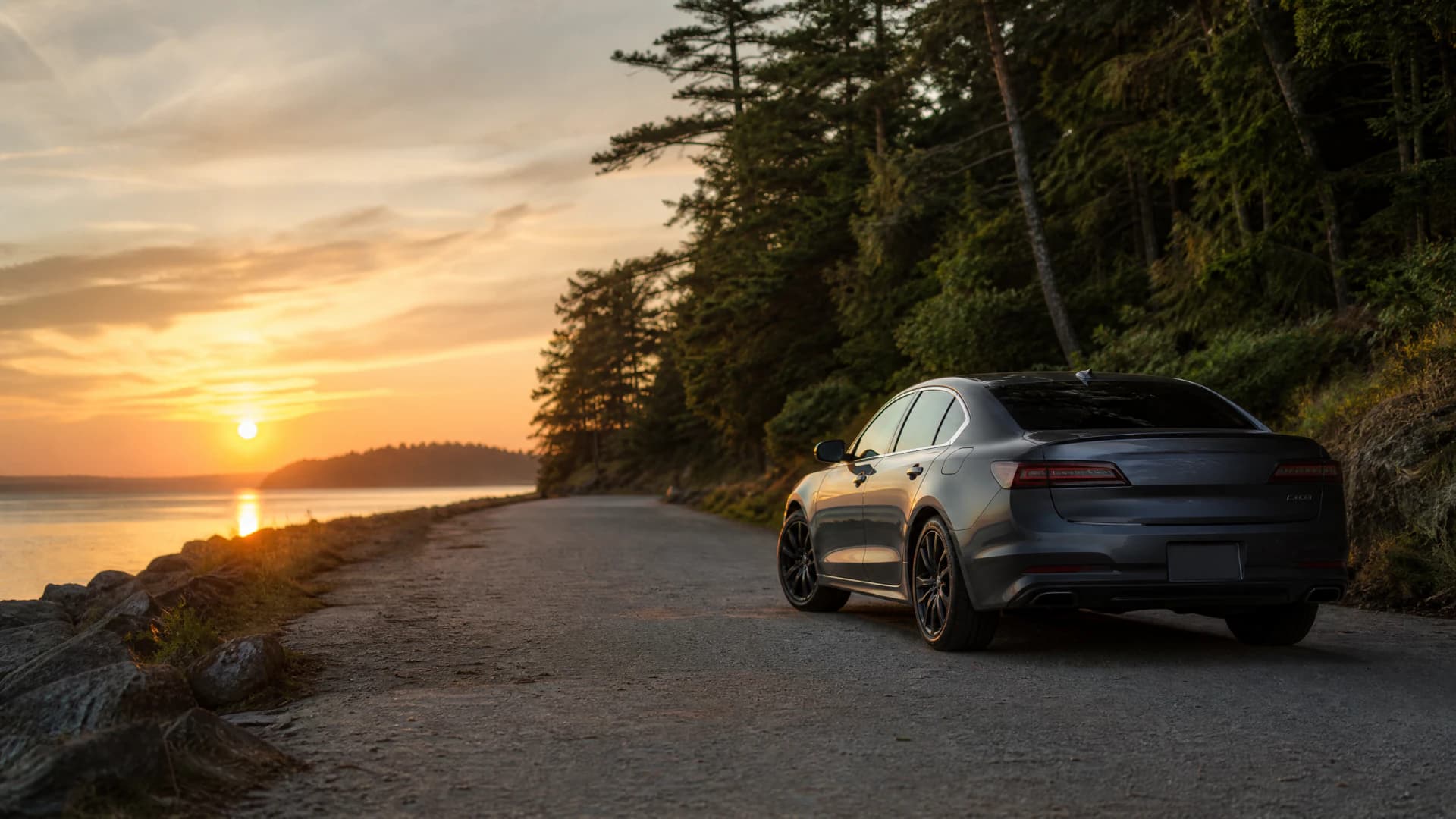
Liberty Mutual's multi-car discount applies once per policy. Adding a third or fourth vehicle adds that car's base cost minus the existing discount — not a new, larger discount.

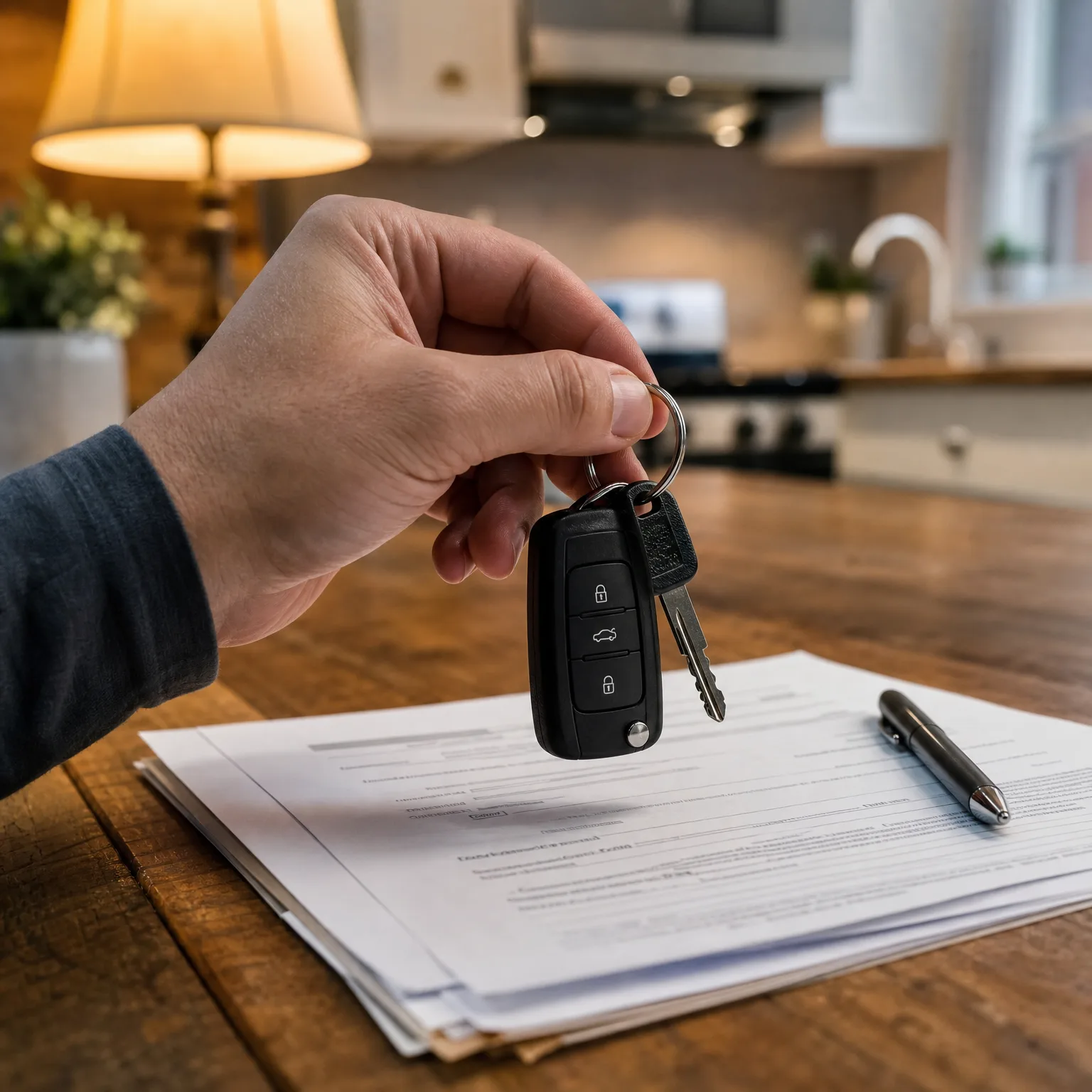





How Adding a Vehicle Mid-Term Re-Rates Your Policy
When you add a vehicle to an existing Liberty Mutual policy, the carrier re-rates the entire policy effective the date the new vehicle is added. The new premium reflects the added vehicle's cost plus the multi-car discount applied to the updated policy total. This is not a flat addition — it's a full recalculation.
Idaho law requires carriers to provide coverage for a newly acquired vehicle for a grace period, typically 14 to 30 days depending on the policy terms. Liberty Mutual extends automatic coverage to a newly purchased car for the same coverage levels already on the policy, but only if you report the vehicle within the grace window. Missing that window can leave the new car uninsured, and a claim on an unreported vehicle will be denied.
If the new vehicle is financed or leased, the lender requires comprehensive and collision coverage. Adding those coverages mid-term re-rates the policy again. If your existing vehicles carry liability only, adding a financed car with full coverage can double or triple the policy premium depending on the vehicle's value and your deductible choices.
19 carriers
Idaho Multi-Car Carrier Roster
Nineteen carriers write multi-vehicle policies in Idaho. Liberty Mutual is one option; comparing quotes from carriers with different discount structures often uncovers a lower combined premium for households with three or more vehicles.

When Liberty Mutual Fits a Multi-Car Household
Liberty Mutual works well for households with two vehicles, standard driving records, and no recent claims. The carrier's online quoting tool handles multi-car policies, and the underwriting process is straightforward for households that meet standard-tier criteria. If you're combining two existing policies after marriage or a household move, Liberty Mutual will quote a single policy covering all vehicles.
Where Liberty Mutual may not be the lowest option: households with three or more vehicles, households adding a high-value or financed vehicle, and households with one or more drivers under 25. Carriers that tier their multi-car discounts by vehicle count often produce lower combined premiums for larger households. Carriers that specialize in non-standard or high-risk coverage may quote lower rates if one household member has a recent violation or a suspended license history.
Compare Carriers Before Adding a Vehicle
The best time to compare carriers is before you add a vehicle, not after. Once the new car is on your existing policy, switching carriers mid-term requires canceling the old policy and starting a new one, which can trigger short-rate penalties and leave a coverage gap if timing is mishandled. Quote the new vehicle with your current carrier and with at least two others before you finalize the purchase.
Request quotes that include all household vehicles, all household drivers, and the same coverage levels across carriers. A lower premium with higher deductibles or lower liability limits is not a fair comparison. Idaho requires $25,000 per person and $50,000 per accident in bodily injury liability, plus $15,000 in property damage — but those minimums leave you exposed if you cause a serious accident. Compare quotes at higher liability limits to see which carrier offers the best value for the coverage your household actually needs.
What Liberty Mutual Requires for Multi-Car Coverage
Every vehicle must be garaged at the same address. If a household member parks a car at a different location — a college dorm, a second home, or a work site — that vehicle may need a separate policy or a non-owner policy depending on title and use. Liberty Mutual verifies garaging addresses during underwriting and at renewal. A mismatch can void coverage at claim time.
Every driver in the household must be listed on the policy or explicitly excluded. Idaho does not require household members to be listed if they do not drive the insured vehicles, but Liberty Mutual's underwriting does. If a household member has a suspended license or a high-risk history, you can exclude them in writing — but that exclusion bars them from driving any vehicle on the policy. An unlisted or improperly excluded driver who causes an accident can trigger a claim denial.
Get Your Free Quote
Get My Idaho Car Insurance QuoteFrequently Asked Questions
Does Liberty Mutual offer a multi-car discount in Idaho?
Yes. Liberty Mutual applies a multi-car discount when you insure two or more vehicles on the same Idaho policy. The discount is a policy-level adjustment, not a per-vehicle percentage, so adding a third or fourth car produces smaller marginal savings than adding the second car.
Can I add a vehicle to my Liberty Mutual policy mid-term in Idaho?
Yes. Liberty Mutual allows you to add a vehicle mid-term, and the carrier re-rates the entire policy effective the date the new vehicle is added. Idaho law provides a grace period for newly acquired vehicles, typically 14 to 30 days, but you must report the vehicle within that window to maintain coverage.
Do all vehicles on a Liberty Mutual multi-car policy need to be garaged at the same address?
Yes. Liberty Mutual requires all vehicles on a multi-car policy to be garaged at the same address. A vehicle parked at a different location may need a separate policy or exclusion, and a garaging-address mismatch can void coverage at claim time.
Does Liberty Mutual write SR-22 policies in Idaho?
Yes. Liberty Mutual writes SR-22 policies in Idaho. If you need an SR-22 filing after a license suspension or serious violation, Liberty Mutual can file the certificate with the Idaho Transportation Department and maintain it for the required three-year period.
How do I compare Liberty Mutual's multi-car rates to other Idaho carriers?
Request quotes from at least three carriers that write multi-vehicle policies in Idaho, including Liberty Mutual. Provide the same vehicle information, driver details, and coverage levels to each carrier. Compare the total policy premium, not just the per-vehicle cost, to see which carrier offers the lowest combined rate for your household.