
Minimum vs Full Coverage — Idaho
Free to compare
The Multi-Car Coverage Decision
You own two or more vehicles in Idaho. You know the state requires $25,000 per person, $50,000 per accident bodily injury liability, and $15,000 property damage liability on every car you register. What you're deciding now is whether to stop at those minimums or add collision and comprehensive — full coverage — to some or all of the vehicles on your policy.
This decision compounds across every car. A household with three vehicles that chooses minimum coverage on all three carries different risk exposure than a household that carries full coverage on two daily drivers and minimum on a rarely-driven third car. The structure you choose applies per vehicle, not per policy, and the wrong choice on one car can undermine your household's entire financial position after a claim.
“A household with three cars on minimum coverage has three unprotected assets; a single at-fault accident can leave you without a vehicle.”

Get More Than the Idaho Minimum for Less
Get My Idaho Car Insurance Quote$25,000 / $50,000 / $15,000
Idaho Minimum Liability Limits
Every registered vehicle in Idaho must carry at least $25,000 bodily injury per person, $50,000 bodily injury per accident, and $15,000 property damage. These minimums protect others when you cause an accident; they do not cover damage to your own vehicles.
Idaho Code Title 49 ch. 12
What Minimum Coverage Actually Covers
Idaho's minimum liability limits pay for damage you cause to other people and their property. If you cause an accident, your $25,000/$50,000/$15,000 policy pays the other driver's medical bills up to $25,000 per injured person, $50,000 total per accident, and up to $15,000 for their vehicle and property damage. Once those limits are exhausted, you pay the rest out of pocket.
Minimum coverage does not pay to repair or replace your own vehicles. If you total your car in an at-fault accident, your liability policy pays the other driver's claim and nothing toward your own vehicle. If someone hits you and they carry only Idaho's minimums, their $15,000 property damage limit may not cover the full value of your vehicle. You absorb the shortfall unless you carry collision or uninsured/underinsured motorist property damage coverage on your own policy.
When you insure multiple vehicles, this gap multiplies. A household with three cars on minimum coverage has three unprotected assets. A single at-fault accident can leave you without a vehicle and facing out-of-pocket replacement costs on the car you were driving, while the other two cars on your policy remain insured but still unprotected against the same risk.
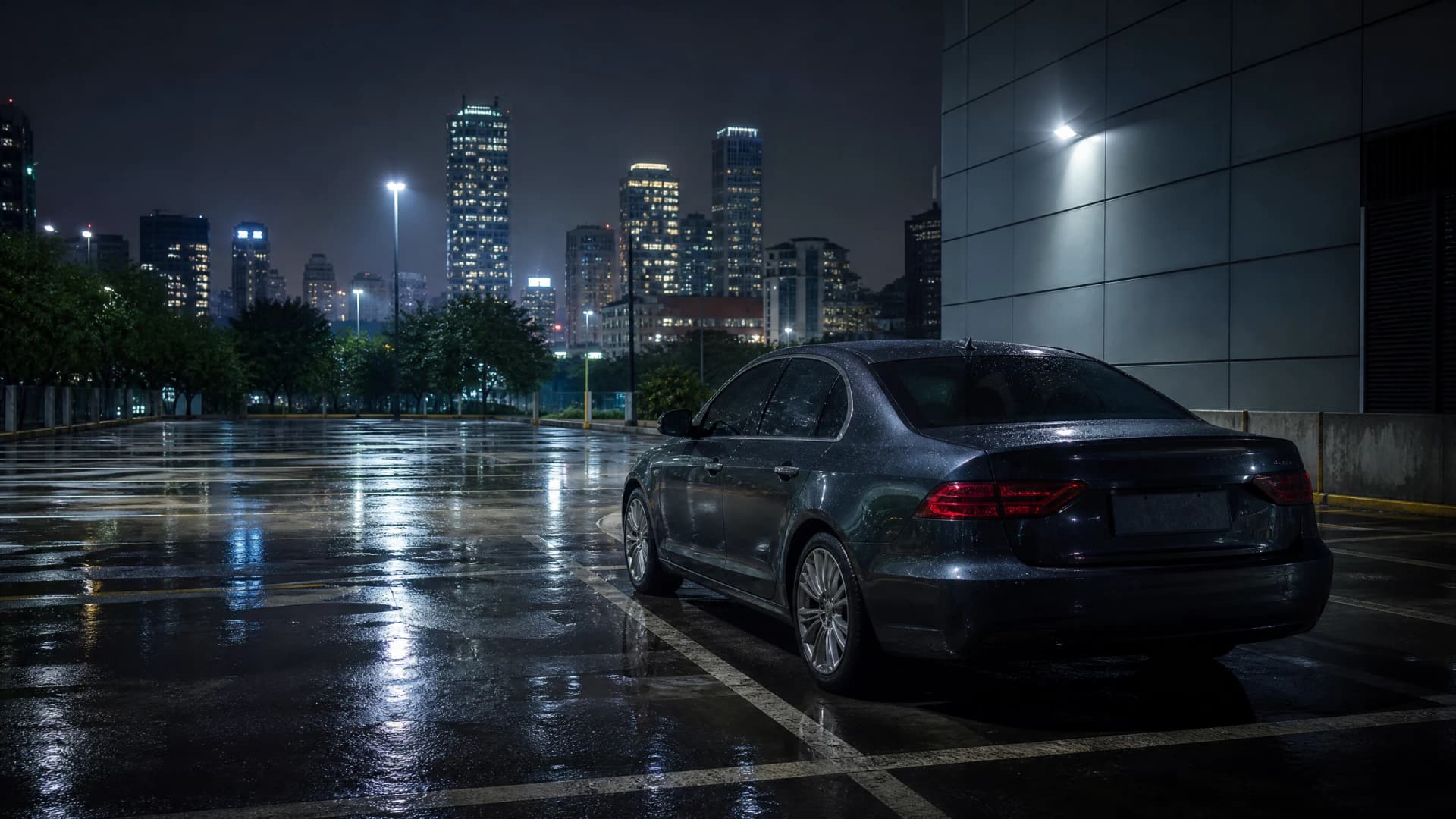
Minimum liability protects others, not your vehicles. A total loss on one car leaves you without transportation and facing replacement costs the policy does not cover.






How the Decision Changes Across Multiple Vehicles
A household insuring one vehicle makes one coverage decision. A household insuring three vehicles makes three. Each car on your policy can carry a different coverage structure. The question is which vehicles justify full coverage and which do not.
The conventional threshold: if a vehicle's value is less than ten times the annual cost of collision and comprehensive, drop those coverages and carry minimum liability only. Apply this rule per vehicle, not per policy.
Idaho does not require collision or comprehensive on any vehicle you own outright. The state requires only the $25,000/$50,000/$15,000 liability minimums. Full coverage is a financial decision about protecting your own assets, not a legal compliance requirement. When you finance or lease a vehicle, the lender requires full coverage as a condition of the loan; once you pay off the car, the choice is yours.
A multi-car household's risk posture depends on the mix. Two daily drivers with full coverage and one rarely-driven older car with minimum coverage is a defensible structure. Three high-value vehicles all on minimum coverage leaves the household exposed to a total loss on any of the three with no policy payout for the vehicle itself.
19 carriers
Idaho Multi-Vehicle Carriers
Nineteen carriers write multi-car policies in Idaho. Each prices collision and comprehensive differently based on vehicle value, garaging location, and household driving history. Comparing quotes across carriers shows the actual premium difference between minimum and full coverage for your specific vehicles.
Comparing Carriers for Multi-Car Coverage
Carriers price full coverage differently. One carrier may quote a small premium increase to add collision and comprehensive to a second vehicle; another may price it as a large jump. The multi-car discount — available when you insure two or more vehicles on the same policy — applies to the total premium, but the per-vehicle cost of full coverage varies by carrier.
When you compare quotes, specify the coverage structure you want on each vehicle. If you want full coverage on two cars and minimum on a third, tell the carrier that. The quote should break out the premium per vehicle so you can see what each coverage decision costs. Some carriers offer a better rate on minimum coverage; others price full coverage more competitively. You will not know which until you compare.
Make the Coverage Decision Per Vehicle
Start with the vehicle's value. If the car is worth less than ten times the annual cost of collision and comprehensive, minimum coverage makes sense. If the vehicle is financed or leased, full coverage is required. If you own the car outright and its value justifies the premium, add collision and comprehensive.
Apply that logic to every vehicle on your policy. The result is a coverage structure tailored to your household: full coverage where it protects meaningful value, minimum coverage where it does not. Compare quotes from multiple Idaho carriers to find the policy that prices your specific structure competitively. The comparison tool on this site connects you with carriers writing multi-car policies in Idaho; use it to see the actual premium difference between minimum and full coverage across your vehicles.
What Full Coverage Adds
Collision pays to repair or replace your vehicle after an accident you cause or a crash where the other driver is uninsured or underinsured. Comprehensive pays for damage from theft, vandalism, hail, fire, hitting an animal, and other non-collision events. Both coverages carry a deductible — typically $500 or $1,000 — that you pay before the policy pays the rest. You choose the deductible when you add the coverage; a higher deductible lowers your premium.
Full coverage applies per vehicle. You can carry it on one car and minimum on another. Many Idaho households with multiple vehicles carry full coverage on newer or financed cars and minimum on older paid-off vehicles worth less than the annual cost of collision and comprehensive. A lender requires full coverage on any financed or leased vehicle, so the decision is yours only on cars you own outright.
Get Your Free Quote
Get My Idaho Car Insurance QuoteFrequently Asked Questions
Does Idaho require full coverage on all vehicles?
No. Idaho requires only $25,000/$50,000/$15,000 liability on every registered vehicle. Collision and comprehensive are optional unless a lender requires them on a financed or leased car.
Can I carry full coverage on one car and minimum on another?
Yes. Coverage applies per vehicle. You can structure your policy with full coverage on high-value or financed vehicles and minimum liability on older paid-off cars.
What happens if I total my car with only minimum coverage?
Your liability policy pays the other driver's claim if you caused the accident. It does not pay to repair or replace your own vehicle. You absorb the loss unless you carry collision coverage.
Does the multi-car discount apply to minimum coverage policies?
Yes. The multi-car discount applies when you insure two or more vehicles on the same policy, regardless of whether you carry minimum or full coverage on each vehicle.
How do I decide whether to add collision and comprehensive?
Compare the vehicle's value to the annual cost of collision and comprehensive. If the car is worth less than ten times the premium, minimum coverage typically makes more sense. If financed, full coverage is required.
Do all Idaho carriers price full coverage the same way?
No. Carriers price collision and comprehensive differently based on vehicle value, location, and driving history. Comparing quotes shows the actual premium difference for your specific vehicles.