
Car Insurance Cost — Idaho
Free to compare
Why Multi-Car Households Pay Different Amounts for the Same Minimum
You added a second vehicle to your Idaho policy and the premium jumped more than you expected, even though both cars carry the same $25,000/$50,000/$15,000 state minimum. The confusion is structural: Idaho's liability floor is fixed, but the way carriers rate multiple vehicles on one policy varies widely. One carrier applies the multi-car discount to the combined base rate before adding vehicle-specific factors; another applies it after. A smaller discount on a lower base rate can beat a larger discount on a higher one.
This article walks the specific rating mechanics that produce different premiums for the same household, the same vehicles, and the same minimum coverage. You'll see what drives cost beyond the state minimum, how adding a vehicle re-rates the entire policy rather than simply adding a flat amount, and which carrier attributes matter when you're insuring more than one car.
“A smaller discount on a lower base rate can beat a larger discount on a higher one.”

Get More Than the Idaho Minimum for Less
Get My Idaho Car Insurance Quote$25,000/$50,000/$15,000
Idaho Liability Minimum
Every vehicle registered in Idaho must carry at least $25,000 bodily injury per person, $50,000 per accident, and $15,000 property damage. This floor applies to every car on a multi-vehicle policy, but carriers rate the combined exposure differently.
Idaho Code Title 49 ch. 12
The Multi-Car Discount Requires Every Vehicle on One Policy
The multi-car discount almost always requires every vehicle to sit on the same policy, and many carriers require they share a garaging address. If you own three cars but one is titled to a household member on a separate policy, that vehicle does not count toward the same-policy requirement. The discount applies to the policy, not to individual vehicles.
Idaho has 19 carriers writing auto insurance across standard, preferred, and non-standard tiers. Carriers that write multi-car policies include Geico, Progressive, State Farm, Allstate, Farmers, American Family, Nationwide, Liberty Mutual, and USAA. Each applies the multi-car discount differently: some reduce the base premium before adding per-vehicle charges, others apply it to the total after all vehicles are rated. The order matters.
When you combine two existing policies after marriage or a household move, the merged policy re-rates every vehicle under one household rating profile. That usually lowers the combined premium, but not always. If one spouse carried a preferred-tier policy and the other a standard-tier policy, the combined household may land in standard tier, raising the preferred spouse's portion while lowering the other's.
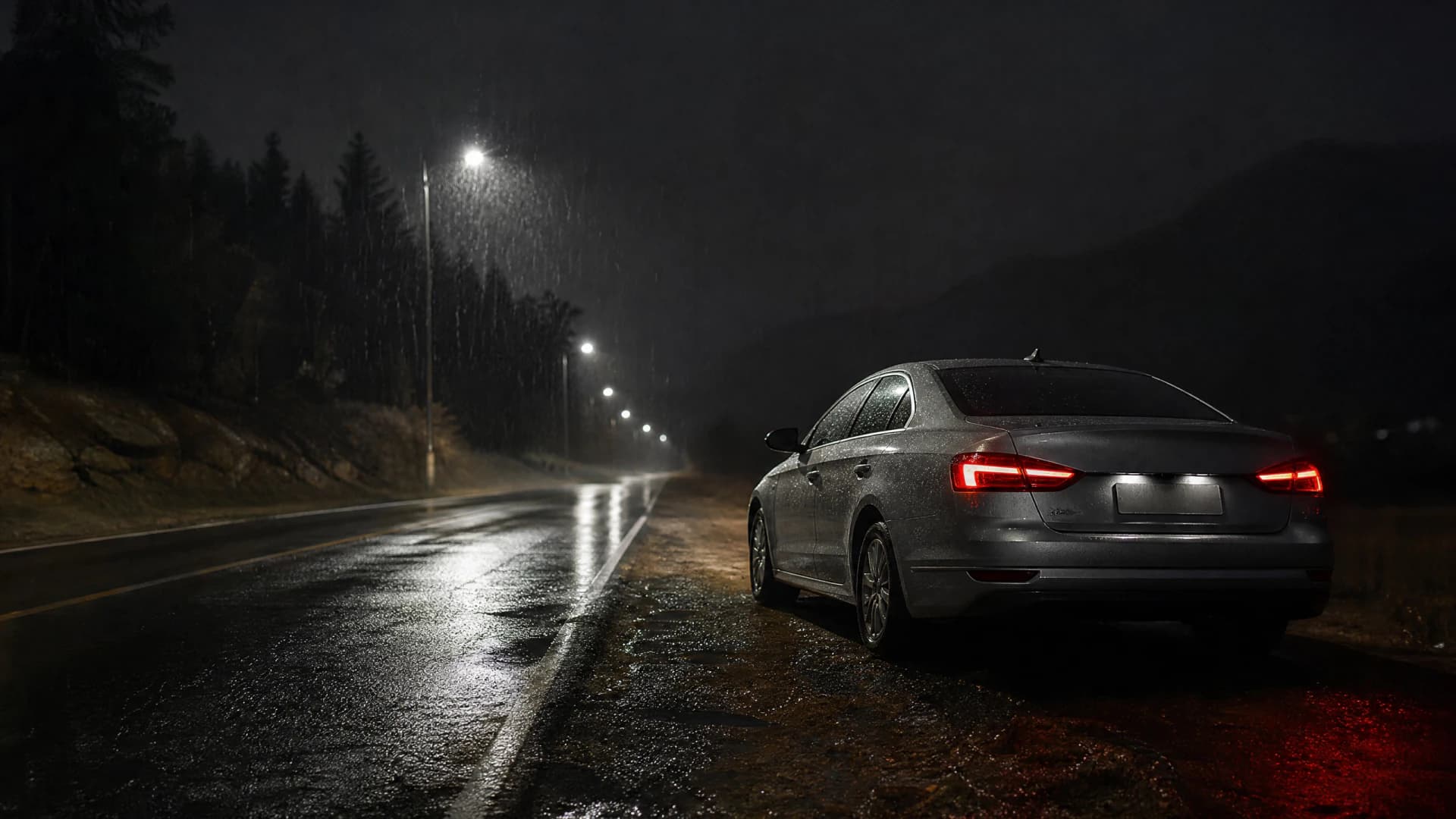
Adding a vehicle mid-term re-rates the entire policy under the new vehicle count and household profile, not just the incremental cost of the new car.






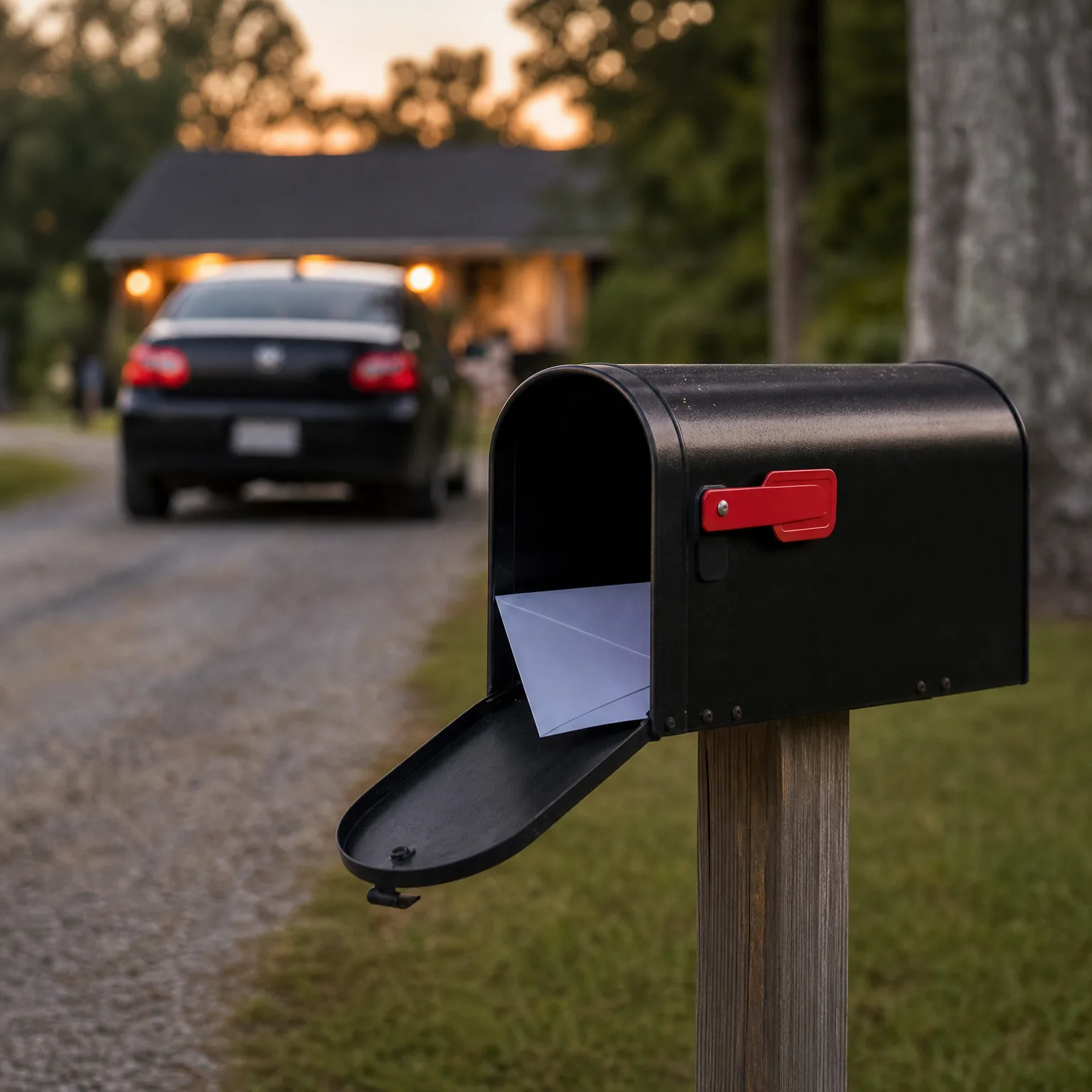
How Adding a Vehicle Re-Rates the Policy
When you add a third vehicle to an existing two-car policy, the carrier does not simply append the new car's premium to the existing total. The entire policy re-rates under the new vehicle count, the new combined exposure, and the household's updated risk profile. If the new vehicle is a high-value SUV and the existing cars are older sedans, the household's total insured value jumps, and the base rate adjusts accordingly.
The multi-car discount typically increases with vehicle count, but the marginal benefit shrinks. The discount on three cars is larger than the discount on two, but the third car's incremental discount is smaller than the second car's was. Some carriers cap the discount at a certain vehicle count; others continue scaling it. You cannot predict the re-rated premium by multiplying the per-car cost from a single-vehicle quote.
Carriers re-rate at renewal as well. If a household member turns 25, gets married, or completes a defensive driving course between renewals, the entire policy re-rates under the new household profile. A ticket or at-fault claim triggers a mid-term re-rate on some policies. The renewal notice shows the re-rated premium for every vehicle, not just the one that changed.
19 carriers
Idaho Auto Insurance Market
Idaho has 19 carriers writing auto insurance across standard, preferred, and non-standard tiers. Multi-car households benefit from comparing carriers that apply the multi-car discount differently, because a smaller discount on a lower base rate can produce a lower total premium than a larger discount on a higher base.

Comparing Carriers for Multi-Car Households
The carrier roster in Idaho includes preferred-tier carriers like State Farm, USAA, and Amica; standard-tier carriers like Geico, Progressive, Allstate, and Farmers; and non-standard carriers like The General, Dairyland, and Bristol West. Preferred-tier carriers typically offer lower base rates but stricter underwriting; standard-tier carriers accept a wider risk profile; non-standard carriers write policies for drivers with violations or lapses. Multi-car households with clean records usually save by comparing preferred and standard tiers.
Carriers that write non-owner policies include Geico, Progressive, USAA, Farmers, Travelers, The General, Dairyland, Bristol West, National General, and GAINSCO. A non-owner policy covers a driver who does not own a vehicle but needs liability coverage. It does not apply to a multi-car household where every vehicle is owned and titled to a household member.
Compare Carriers That Write Your Household's Vehicles
Start by confirming every vehicle in the household is titled and garaged at the same address, or clarify which vehicles belong on the same policy if household members maintain separate addresses. Gather the VIN, year, make, model, and annual mileage for each car. Collect the driving record for every household member who will be listed on the policy. Request quotes from at least three carriers in different tiers: one preferred, one standard, one non-standard if applicable.
Compare the total premium for all vehicles combined, not the per-vehicle cost. Ask each carrier how the multi-car discount applies: before or after vehicle-specific charges, and whether it scales with vehicle count or caps at a certain number. Verify that every vehicle qualifies for the discount under the carrier's same-policy and garaging-address requirements. The lowest total premium wins, regardless of which carrier advertises the largest discount percentage.
What Drives Premium Beyond the State Minimum
Carriers rate multi-car policies on household factors that apply to every vehicle: the primary driver's age, driving record, credit score where lawful, and garaging ZIP code. A household with two vehicles in Boise pays differently than the same household in Coeur d'Alene, even with identical coverage, because theft rates and collision frequency vary by location. Idaho recorded 68.5 motor vehicle thefts per 100,000 population in 2024, but that figure is not evenly distributed across counties.
Vehicle-specific factors layer on top of the household base: the year, make, model, and use of each car. A 2015 sedan used for commuting rates differently than a 2022 truck used recreationally, even when both carry the same liability minimum. Comprehensive and collision coverage add vehicle-specific premiums tied to repair cost and theft risk. Carriers that write full coverage for multi-car households include Geico, Progressive, State Farm, Allstate, and Farmers.
Get Your Free Quote
Get My Idaho Car Insurance QuoteFrequently Asked Questions
Does Idaho require uninsured motorist coverage?
No. Idaho does not mandate uninsured or underinsured motorist coverage, but carriers offer it as optional protection. Approximately 6.4% of Idaho motorists are uninsured, so many multi-car households add UM/UIM to cover the gap when an at-fault driver has no insurance.
Can I insure two cars on separate policies in Idaho?
Yes, but you lose the multi-car discount. The discount requires every vehicle on the same policy. Two separate policies mean two separate base premiums with no discount, which almost always costs more than one combined policy with the multi-car discount applied.
How does adding a teen driver affect a multi-car policy in Idaho?
Adding a teen driver re-rates the entire policy under the household's new risk profile. The teen's age, driving record, and assigned vehicle all factor into the new premium. Idaho's graduated licensing program requires teens to hold a learner permit for 6 months and complete 50 supervised driving hours before receiving an intermediate license at age 15.
What is the average cost of car insurance in Idaho?
The average annual auto insurance expenditure per insured vehicle in Idaho was $888.07 in 2023, according to NAIC data. Multi-car households typically pay less per vehicle due to the multi-car discount, but the total premium depends on the number of vehicles, coverage levels, and household rating factors.
Do I need SR-22 insurance to add a vehicle in Idaho?
Only if you already have an SR-22 filing requirement. Adding a vehicle to an existing policy does not trigger SR-22 unless the new vehicle's driver has a suspension, DUI, or serious violation. If you currently file SR-22, the new vehicle must be added to the SR-22 policy to maintain compliance.
Can I drop collision coverage on one car in a multi-car policy?
Yes. Collision and comprehensive are optional in Idaho and can be selected per vehicle. Many multi-car households drop collision on older vehicles with low market value and keep it on newer cars. Dropping collision on one vehicle lowers the total premium but does not affect the multi-car discount.
How long does it take to get a quote for multiple vehicles in Idaho?
Most carriers provide multi-car quotes within 10 to 15 minutes online or by phone. You'll need the VIN, year, make, model, and annual mileage for each vehicle, plus the driving record for every household member listed on the policy.