
Full Coverage Car Insurance Cost — Idaho
Free to compare
What Full Coverage Actually Means in Idaho
You're looking at two policy structures: Idaho's state-required minimum liability ($25,000 bodily injury per person, $50,000 per accident, $15,000 property damage) versus full coverage. The minimum protects others when you cause a crash. Full coverage adds collision and comprehensive to protect your own vehicle.
The structural difference matters when you're insuring multiple cars. Minimum liability leaves every vehicle in your household uninsured for damage you cause or for non-collision events like theft or hail. Full coverage protects each car individually, but the cost scales with the number of vehicles on your policy.
“Full coverage protects your vehicle; minimum liability does not. If your car is totaled in a crash you caused, minimum liability pays nothing toward replacing it.”

Get More Than the Idaho Minimum for Less
Get My Idaho Car Insurance Quote$25,000/$50,000/$15,000
Idaho Minimum Liability Limits
These are the floor amounts Idaho requires to register and legally drive. They cover injuries and property damage you cause to others, not damage to your own vehicle. Idaho Code Title 49 chapter 12 sets these minimums.
Idaho Code Title 49 ch. 12
The Coverage Gap Between Minimum and Full
Minimum liability in Idaho covers the other driver's medical bills and property repair when you're at fault. It does not cover your own car, your own injuries, or damage from events you didn't cause — a hit-and-run, a deer strike, hail, theft, or vandalism.
Full coverage fills that gap with two additional components: collision (pays for damage to your car when you hit another vehicle or object, regardless of fault) and comprehensive (pays for non-collision damage — theft, weather, falling objects, animal strikes). Both carry deductibles you choose, typically $500 or $1,000.
When you're insuring two or more vehicles, the gap compounds. A household with three cars on minimum liability has three uninsured assets. A household with three cars on full coverage protects all three, but pays collision and comprehensive premiums on each.
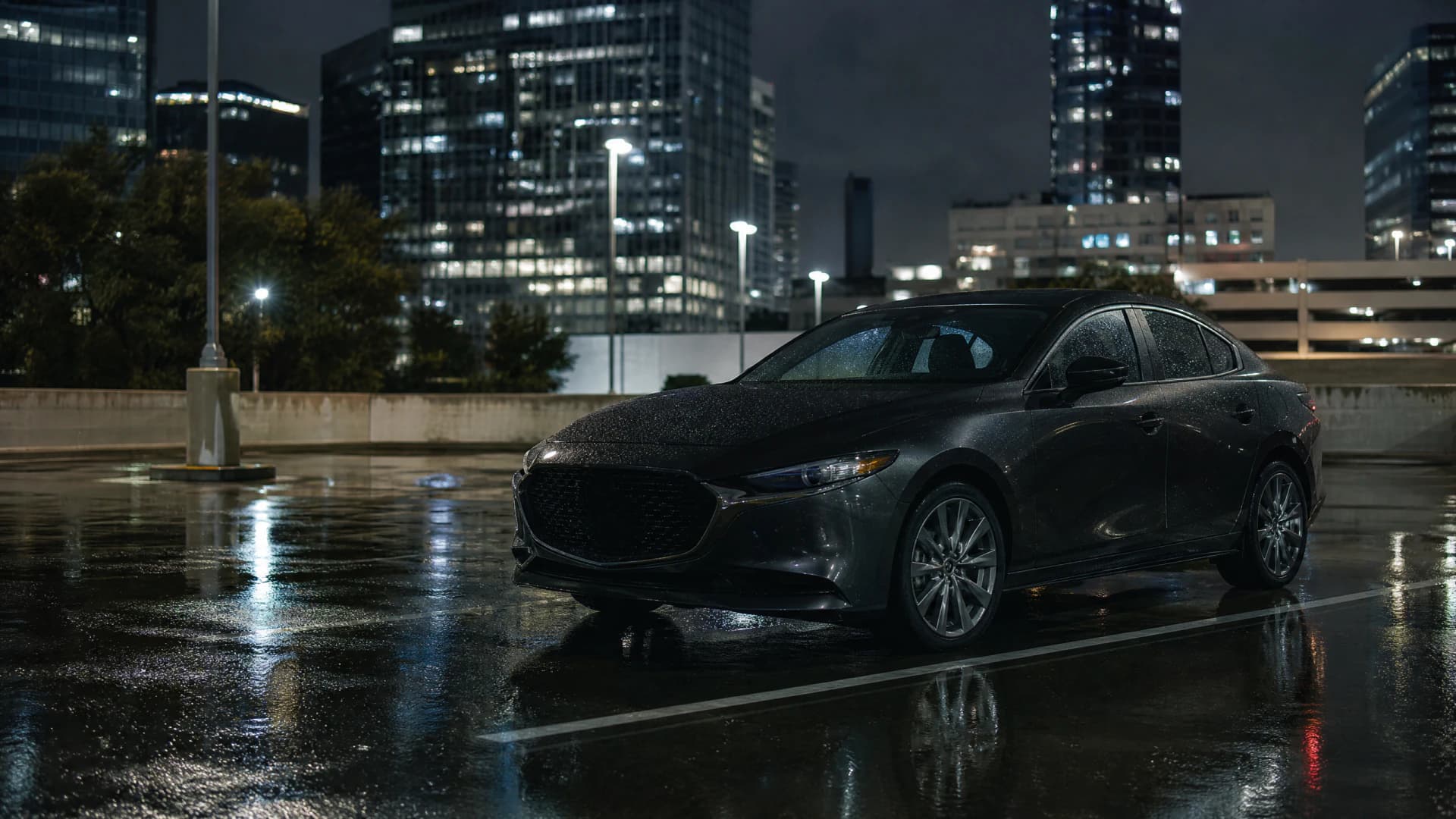
Full coverage protects your vehicle; minimum liability does not. If your car is totaled in a crash you caused, minimum liability pays nothing toward replacing it.





How Location and Driving Record Affect the Spread
Idaho's traffic fatality rate is 1.39 per 100 million vehicle miles traveled, and 6.4% of motorists are uninsured. Both figures influence how carriers price full coverage in the state. Higher uninsured-motorist rates increase the probability of a hit-and-run claim under your own collision coverage.
Your county and city matter. Boise drivers face different theft and collision rates than drivers in rural counties. Carriers adjust comprehensive premiums for theft risk (Idaho's motor vehicle theft rate is 68.5 per 100,000 population) and collision premiums for accident frequency. A household insuring multiple cars in a higher-risk ZIP code pays more across every vehicle.
Driving record affects the liability base and the full-coverage add. A clean record qualifies for standard-tier pricing. Points, violations, or a DUI move you into non-standard pricing, where both liability and physical-damage premiums rise. When one household member has a violation and shares a policy with multiple vehicles, the entire policy re-rates.
68.5 per 100,000
Idaho Motor Vehicle Theft Rate
This is Idaho's 2024 theft rate. Comprehensive coverage pays for stolen vehicles minus your deductible. Higher theft rates in urban counties push comprehensive premiums up.
Idaho state insurance statistics, 2024
When Full Coverage Makes Sense for Multiple Vehicles
Full coverage is a vehicle-by-vehicle decision, not an all-or-nothing household choice. A household with three cars can carry full coverage on two newer vehicles and minimum liability on an older third car with low replacement value. The policy structure allows mixed coverage levels as long as every vehicle meets Idaho's $25,000/$50,000/$15,000 minimum.
The decision threshold: if your vehicle's value is high enough that losing it in a crash would force you to take on debt to replace it, full coverage protects that asset. If the vehicle's value is low enough that you could replace it from savings without hardship, dropping collision and comprehensive and banking the premium difference is a rational choice. Apply this test to each car on your policy individually.
Compare Carriers That Write Multiple Vehicles in Idaho
Idaho has 20 carriers writing auto insurance in the state, including State Farm, GEICO, Progressive, Allstate, Farmers, Nationwide, USAA, Liberty Mutual, Travelers, American Family, and others. Not all carriers price full coverage the same way, and not all offer the same multi-car discount structure.
When you're structuring coverage for multiple vehicles, compare quotes that reflect your actual household: the number of cars, each car's year and model, each driver's record, and your chosen deductible for collision and comprehensive on each vehicle. The multi-car discount applies to the total policy premium, but the physical-damage portion still scales with each vehicle's value. A carrier with a strong multi-car discount and competitive full-coverage pricing on your specific vehicles will beat a carrier with a weaker discount or higher physical-damage rates, even if their liability base is lower. Idaho's carrier roster and state-specific requirements give you the comparison frame you need to structure the policy that fits your household.
What Drives Full Coverage Cost in Idaho
Vehicle value is the primary driver. Collision and comprehensive premiums reflect the cost to repair or replace your car. When you're insuring multiple vehicles, the total full-coverage cost is the sum of each car's collision and comprehensive premium plus the shared liability base.
Deductible choice directly affects cost. A $500 deductible costs more per month than a $1,000 deductible because the carrier pays sooner in a claim. Households with older vehicles sometimes choose higher deductibles or drop collision and comprehensive entirely when the vehicle's value falls below a threshold where the annual premium approaches the car's replacement cost.
Get Your Free Quote
Get My Idaho Car Insurance QuoteFrequently Asked Questions
What is full coverage car insurance in Idaho?
Full coverage in Idaho means a policy that includes the state-required minimum liability ($25,000/$50,000/$15,000) plus collision and comprehensive coverage to protect your own vehicle. Collision pays for damage when you hit another car or object; comprehensive pays for non-collision events like theft, hail, or animal strikes.
Does Idaho require full coverage car insurance?
No. Idaho requires only liability insurance at $25,000 bodily injury per person, $50,000 per accident, and $15,000 property damage. Full coverage — adding collision and comprehensive — is optional unless your lender requires it as a condition of your auto loan or lease.
How much does full coverage cost compared to minimum liability in Idaho?
The difference depends on your vehicle's value, your deductible, your driving record, and your location. Collision and comprehensive premiums reflect the cost to repair or replace your car, so a newer or higher-value vehicle costs more to insure fully than an older one. Households insuring multiple vehicles pay collision and comprehensive on each car they choose to cover fully.
Can I carry full coverage on some cars and minimum liability on others?
Yes. Idaho allows mixed coverage levels on a multi-car policy as long as every vehicle meets the state's $25,000/$50,000/$15,000 minimum liability requirement. Many households carry full coverage on newer vehicles and drop collision and comprehensive on older cars with low replacement value.
What deductible should I choose for full coverage in Idaho?
A $500 deductible costs more per month but requires less out-of-pocket at claim time. A $1,000 deductible lowers your monthly premium but means you pay the first $1,000 of repair costs yourself. Choose the deductible you can afford to pay in a single event without hardship, then compare the monthly savings across your household's vehicles.
Does full coverage protect me from uninsured drivers in Idaho?
No. Full coverage (liability plus collision and comprehensive) does not include uninsured motorist coverage. Idaho does not require uninsured motorist coverage, but carriers offer it as an optional add-on. Collision will pay for damage to your car after a hit-and-run, minus your deductible, but it does not cover your injuries — uninsured motorist bodily injury does.