
New Car Insurance Requirements — Idaho
Free to compare
The New-Car Coverage Window in Idaho
You bought a car in Idaho and drove it off the lot. Your existing auto policy may cover the new vehicle for a limited grace period — typically 7 to 30 days depending on your carrier — but only if you notify the insurer within that window. Miss the deadline and the car sits uninsured, even if your other vehicles remain covered. At claim time, an unreported vehicle can be denied outright.
Idaho law requires every registered vehicle to carry minimum liability coverage: $25,000 per person for bodily injury, $50,000 per accident for bodily injury, and $15,000 for property damage. The state does not mandate personal injury protection or uninsured motorist coverage, but you must prove financial responsibility at registration and any traffic stop. A new car without active coverage cannot be legally registered or driven, and a lapse triggers reinstatement fees and potential SR-22 filing requirements if discovered during a violation.
“The multi-car discount requires same-policy enrollment — two single-car policies cost more than one two-car policy in nearly every scenario.”

Get More Than the Idaho Minimum for Less
Get My Idaho Car Insurance Quote$25,000/$50,000/$15,000
Idaho Minimum Liability Limits
Every vehicle registered in Idaho must carry at least $25,000 per person for bodily injury, $50,000 per accident for bodily injury, and $15,000 for property damage. These are the statutory minimums under Idaho Code Title 49 Chapter 12; actual coverage needs often exceed these floors.
Idaho Code Title 49 Chapter 12
What Happens When You Add a Second or Third Vehicle
Adding a vehicle to an existing policy re-rates the entire policy, not just the new car. The carrier recalculates your premium based on the combined risk of all vehicles, all drivers in the household, and the garaging address. A second car does not simply add a flat monthly amount — it changes the base calculation. The multi-car discount applies when every vehicle sits on the same policy and shares a garaging address, but the discount percentage varies by carrier and by the number of vehicles.
The structural reality: the multi-car discount requires same-policy enrollment. If you start a separate policy for the new car — either because you missed the add-vehicle window on your existing policy or because you assumed a second policy was simpler — you lose the discount on both policies. Two single-car policies cost more than one two-car policy in nearly every scenario, even when the combined premium on the multi-car policy is higher than the old single-car rate.
Carriers that write multi-vehicle policies in Idaho include State Farm, Geico, Progressive, Allstate, American Family, Farmers, Nationwide, USAA, Travelers, Liberty Mutual, and National General. Each carrier's multi-car discount structure and same-policy requirements differ. Some apply the discount automatically when you add the second vehicle; others require you to request it explicitly. The discount grows as you add more vehicles, but only if all remain on one policy.

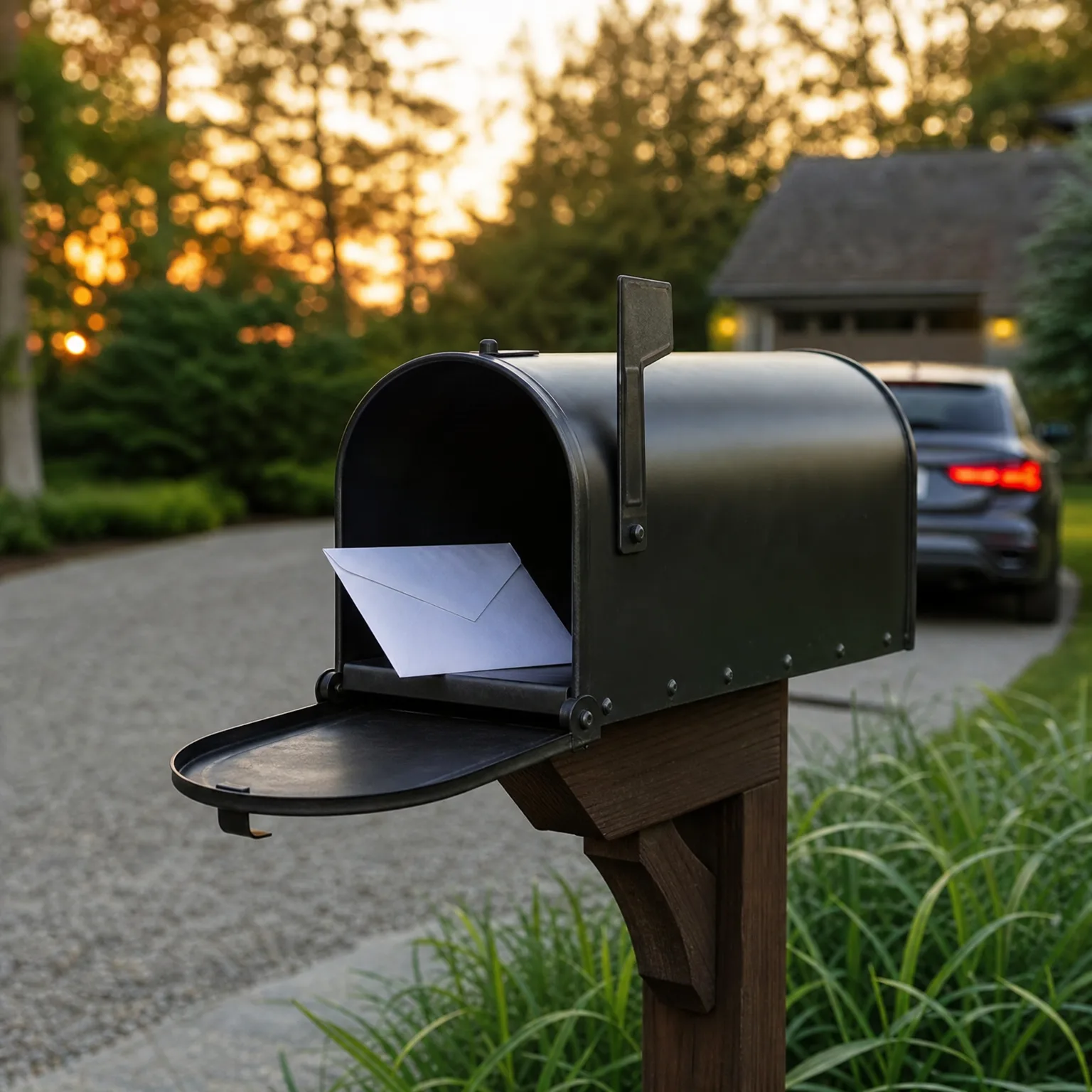
The blocker: your carrier's add-vehicle grace period is a notification window, not automatic coverage. If you do not report the new car within the window, the vehicle sits uninsured even if your other cars remain covered.






Coverage Decisions for the New Vehicle
Idaho does not require collision or comprehensive coverage, but lenders do. If you financed or leased the new car, the lender's contract requires full coverage — liability plus collision and comprehensive — until the loan is paid off. The lender is named as loss payee on the policy, and a lapse in coverage triggers a force-placed insurance charge that costs significantly more than a standard policy.
If you own the car outright, collision and comprehensive are optional. Collision pays for damage to your car in an accident regardless of fault; comprehensive pays for theft, vandalism, weather damage, and animal strikes. The decision hinges on the vehicle's current value and your ability to replace it out of pocket. A conventional rule of thumb: if the car's value is less than ten times the annual cost of collision and comprehensive combined, consider dropping both and carrying only liability. For a new car, that threshold is years away — full coverage is almost always the better choice.
Deductible choices — typically $500 or $1,000 for collision and comprehensive — affect your premium and your out-of-pocket cost at claim time. A higher deductible lowers your monthly payment but increases what you pay when you file a claim. Choose the deductible you can afford to pay in a single event without financial strain. The deductible applies per incident, not per year.
Uninsured and underinsured motorist coverage is optional in Idaho but worth considering. Idaho's uninsured motorist rate is 6.4% as of 2023 — lower than the national average but still one in sixteen drivers. Uninsured motorist coverage pays for your injuries and vehicle damage when the at-fault driver has no insurance or insufficient coverage. It costs less than collision in most cases and fills a gap that liability-only drivers leave open.
6.4%
Idaho Uninsured Motorist Rate
As of 2023, 6.4% of Idaho drivers operate without insurance. Uninsured motorist coverage protects you when an at-fault driver cannot pay for the damage they cause. The coverage is optional in Idaho but closes a significant financial gap.
Insurance Research Council, 2023
What Happens If You Miss the Add-Vehicle Window
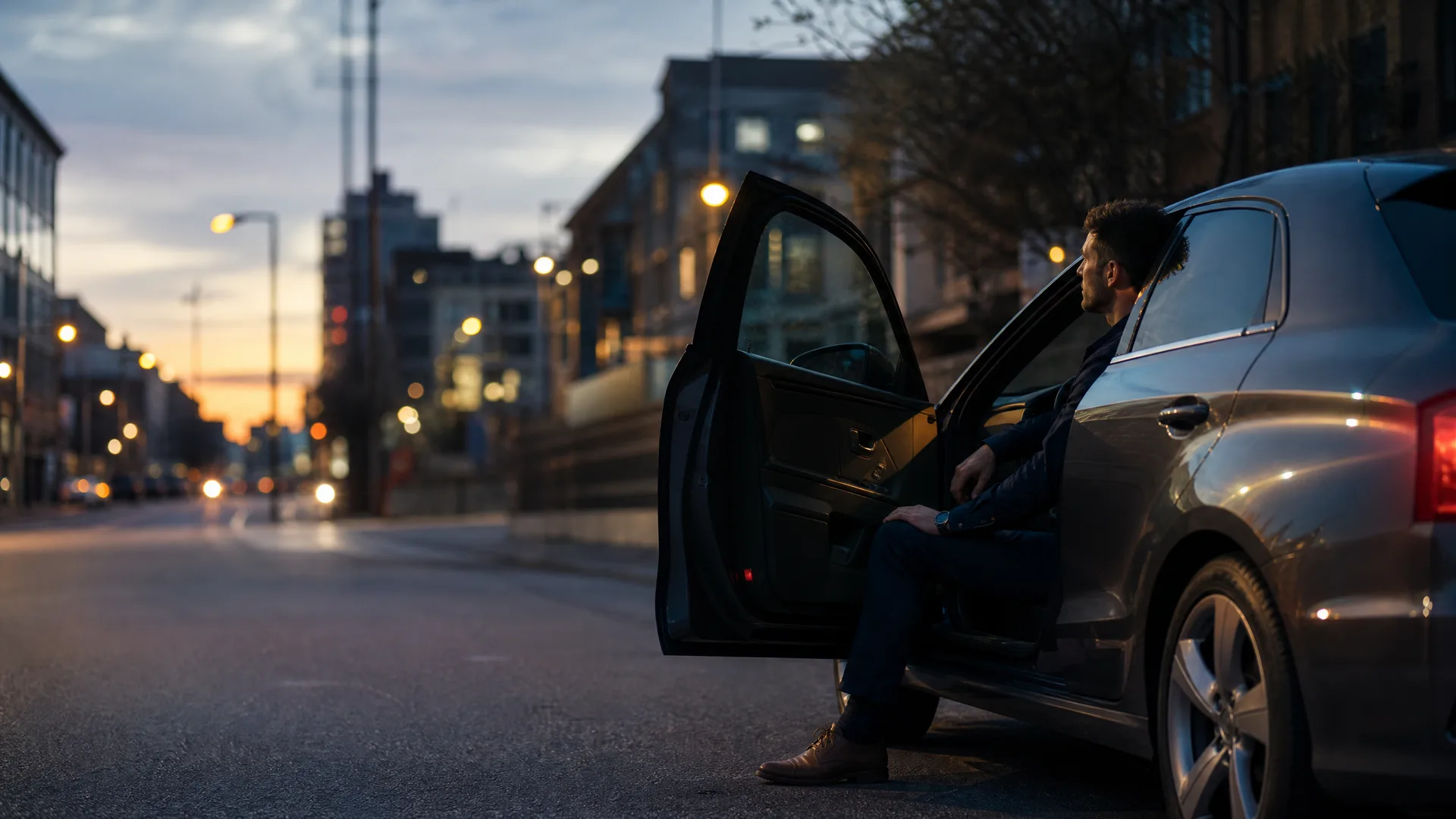
If you miss your carrier's notification deadline, the new car sits uninsured from the end of the grace period forward. Your existing vehicles remain covered under the original policy, but the new car has no coverage — not liability, not collision, not comprehensive. If you drive the uninsured car and cause an accident, you pay out of pocket for the other driver's injuries and property damage, and your own vehicle damage is a total loss. Idaho does not forgive uninsured driving; the state suspends your license and registration and requires proof of future financial responsibility, often through SR-22 filing.
To fix the gap, contact your carrier immediately and request backdated coverage to the purchase date if the grace period is still open, or request a new effective date if it has closed. Some carriers allow backdating within a limited window if you can prove the car was garaged and not driven during the lapse. Others start coverage only from the date you report the vehicle, leaving the gap uninsured. The latter scenario is common and costly — any accident during the gap is uninsured, and any citation for driving without insurance triggers reinstatement fees and a potential three-year SR-22 filing requirement.
Compare Carriers and Lock the New-Car Policy
Once you know the add-vehicle timing and coverage requirements, compare carriers that write multi-car policies in Idaho. Rates vary significantly by carrier, vehicle, driver age, and garaging ZIP code. State Farm, Geico, Progressive, Allstate, American Family, Farmers, Nationwide, USAA, Travelers, Liberty Mutual, and National General all write multi-vehicle policies in the state, and each applies the multi-car discount differently. Request quotes from at least three carriers, confirm the multi-car discount is applied, and verify the effective date matches your purchase timeline. Lock the policy before the grace period on your existing coverage expires, and confirm in writing that all vehicles are listed and covered under one policy.
How to Add a New Car to Your Idaho Policy
First, contact your carrier within the grace period — typically 7 to 30 days from the purchase date, depending on the insurer. Provide the vehicle identification number, purchase date, and garaging address. The carrier will confirm whether the new car was automatically covered during the grace period or whether coverage begins only after you report it. Some carriers extend automatic coverage to a newly-purchased vehicle if you already insure at least one car with them; others require explicit notification before any coverage attaches. Confirm the effective date in writing.
Second, decide whether to add the new car to your existing policy or start a separate policy. Adding it to the existing policy preserves the multi-car discount and re-rates the entire policy based on the combined risk. Starting a separate policy costs more in total premium but may be necessary if the new car is titled to a household member not listed on your current policy, or if the vehicle is garaged at a different address. The same-policy requirement for the multi-car discount is strict: vehicles titled to different people or garaged at different addresses typically do not qualify, even within the same household.
Get Your Free Quote
Get My Idaho Car Insurance QuoteFrequently Asked Questions
Does my existing Idaho car insurance automatically cover a newly purchased vehicle?
Most carriers extend automatic coverage to a newly purchased vehicle for 7 to 30 days if you already insure at least one car with them, but only if you notify the insurer within that grace period. The window and the automatic-coverage rule vary by carrier. If you miss the notification deadline, the new car sits uninsured even if your other vehicles remain covered.
What are Idaho's minimum car insurance requirements for a new vehicle?
Idaho requires $25,000 per person for bodily injury, $50,000 per accident for bodily injury, and $15,000 for property damage on every registered vehicle. The state does not mandate personal injury protection or uninsured motorist coverage, but lenders require collision and comprehensive if you financed or leased the car.
Can I insure a new car on a separate policy from my other vehicles in Idaho?
Yes, but you lose the multi-car discount on both policies. The multi-car discount applies only when all household vehicles sit on the same policy and share a garaging address. Two single-car policies cost more in combined premium than one multi-car policy in nearly every scenario.
How long do I have to add a new car to my Idaho insurance policy?
The add-vehicle grace period is typically 7 to 30 days from the purchase date, depending on your carrier. You must notify the insurer within that window to preserve automatic coverage. If you miss the deadline, the new car sits uninsured and you must request a new effective date, which may leave a coverage gap.
What happens if I drive a new car in Idaho without adding it to my insurance?
Driving an uninsured vehicle in Idaho is a misdemeanor. If you cause an accident, you pay out of pocket for all damages and injuries.
Do I need full coverage on a new car in Idaho if I own it outright?
Idaho does not require collision or comprehensive coverage, but if you financed or leased the car, the lender does. If you own the car outright, full coverage is optional but recommended for new vehicles — the replacement cost is high enough that most drivers cannot absorb a total loss out of pocket.
How does adding a second car change my Idaho insurance premium?
Adding a vehicle re-rates your entire policy based on the combined risk of all vehicles, all drivers, and the garaging address. The multi-car discount lowers the per-vehicle cost, but the total premium increases because you are insuring more assets. The discount grows as you add more vehicles, but only if all remain on one policy.