
Multi-Car Insurance Savings — Idaho
Free to compare
When Adding a Second Car Changes Your Premium
You just bought a second vehicle and called your carrier to add it to your existing Idaho policy. The agent quoted a premium higher than you expected — not just the cost of insuring the new car, but a full re-rating of both vehicles. You assumed adding a car would mean adding a flat amount to your current bill. Instead, the entire policy recalculated.
That recalculation is how multi-vehicle policies work in Idaho. When you add or remove a vehicle mid-term, the carrier re-rates the entire policy based on the new vehicle count, the garaging address for each car, and the drivers assigned to each vehicle. The multi-car discount applies to the combined policy, not to individual vehicles, and the discount only triggers when every vehicle sits on the same policy and shares the same garaging address.
“The multi-car discount applies to the combined policy, not to individual vehicles, and only triggers when every vehicle sits on the same policy and shares the same garaging address.”

Get More Than the Idaho Minimum for Less
Get My Idaho Car Insurance Quote$25,000 / $50,000 / $15,000
Idaho Minimum Liability Per Vehicle
Idaho requires $25,000 bodily injury per person, $50,000 per accident, and $15,000 property damage for every registered vehicle. Each car on your policy must carry at least these limits.
Idaho Code Title 49 ch. 12
What the Multi-Car Discount Actually Requires
The multi-car discount is not automatic. Carriers writing Idaho households — including State Farm, Geico, Progressive, Allstate, and American Family — require every vehicle to appear on the same policy and to be garaged at the same address. A vehicle titled to a household member on a separate policy does not count toward the discount, even if that person lives at the same address.
This requirement blocks several common household situations. Roommates who want to share one policy across their cars cannot qualify for the multi-car discount unless one person owns all the vehicles or the carrier allows joint-named policies for non-related adults. A household with vehicles split between two states — one car garaged in Idaho, one in another state — cannot combine them on one Idaho policy. A classic car garaged at a storage facility separate from your primary address may not qualify for the same-policy discount, depending on carrier rules.
The discount applies to the total premium, not to each vehicle individually. A carrier might reduce the combined premium by a percentage when you insure two or more vehicles, but that reduction is calculated on the policy total after rating each vehicle. The discount does not appear as a line item per car.
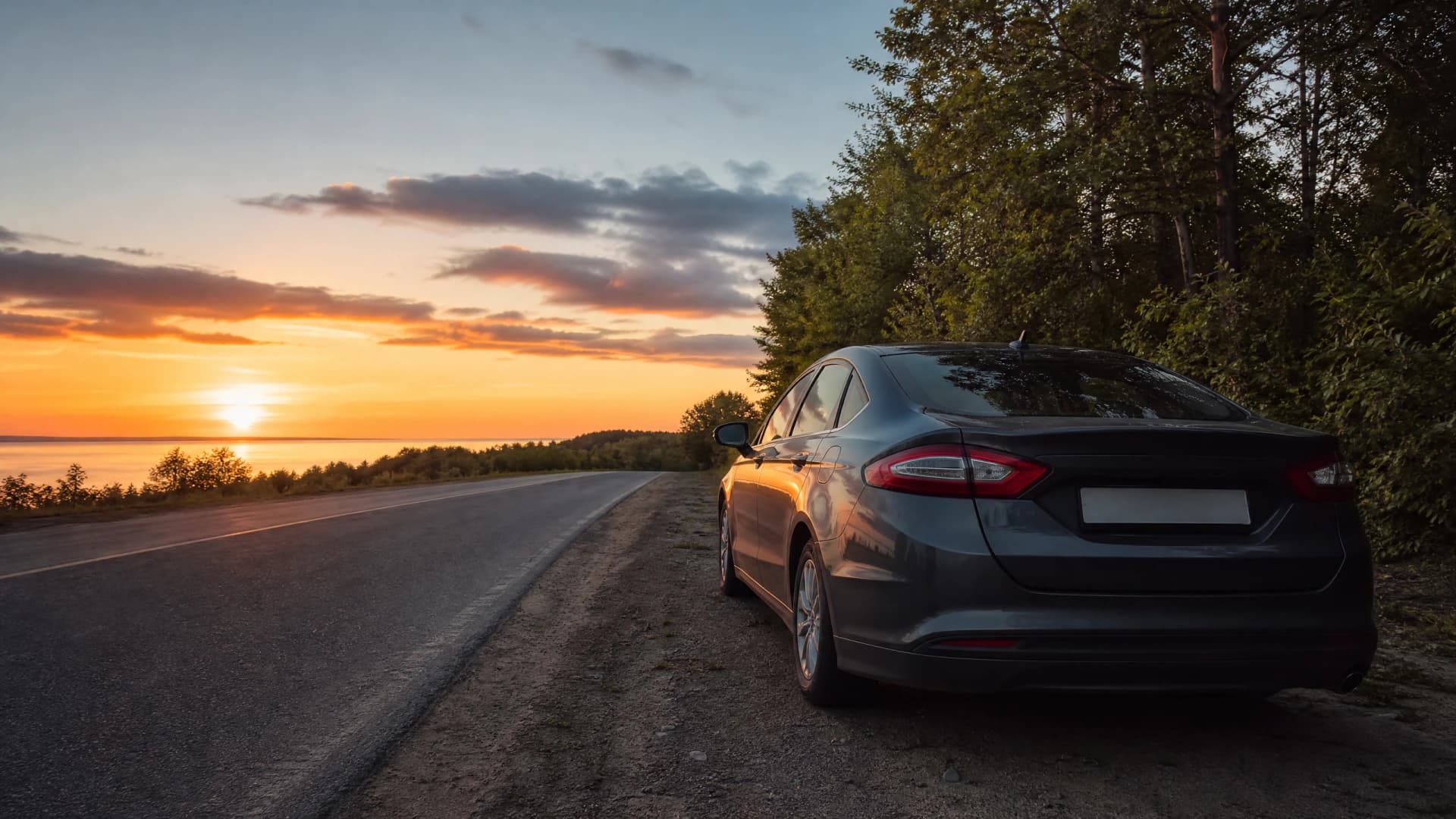
The multi-car discount requires same-policy enrollment and shared garaging. Vehicles titled separately or garaged at different addresses do not qualify.




Adding a Teen Driver's Car to the Family Policy
Your teenager is about to start driving a car of their own. You need to decide whether that car belongs on your existing family policy or on a separate policy in the teen's name. The multi-car discount applies when the teen's vehicle sits on your policy, but adding a teen driver re-rates the entire policy — and teen drivers carry the highest risk profile of any age group.
Most Idaho households add the teen's car to the family policy because the multi-car discount and the ability to share liability limits across vehicles outweigh the premium increase from adding a young driver. A separate policy in the teen's name eliminates the impact on your premium but loses the multi-car discount and forces the teen to carry their own liability limits at significantly higher standalone rates. Carriers writing Idaho teen drivers — Progressive, Geico, State Farm, and Allstate among them — price standalone teen policies at premiums that typically exceed the incremental cost of adding the teen to a family policy with the multi-car discount applied.
Idaho's Graduated Driver Licensing rules require teen drivers under 17 to complete 50 hours of supervised driving and hold a learner permit for six months before receiving an intermediate license. During the permit phase, the teen is covered under your policy as a household member learning to drive. Once the teen receives an intermediate or full license, the carrier requires you to add them as a rated driver. Failing to disclose a licensed household member can void coverage at claim time.
27 carriers
Idaho Auto Insurance Carrier Roster
Twenty-seven carriers write auto insurance in Idaho, including State Farm, Geico, Progressive, Allstate, American Family, Farmers, Nationwide, USAA, Liberty Mutual, and Travelers. Not all write multi-vehicle households at the same rates or with the same discount structures.
Idaho Department of Insurance carrier licensing data

When a Rarely-Driven Vehicle Sits on the Policy
You own four vehicles but drive only two regularly. The other two — a classic car, a project vehicle, or a seasonal recreational vehicle — sit in the garage most of the year. You want to insure the rarely-driven cars without paying full-use premiums, but you also want to keep them on the same policy to preserve the multi-car discount.
Carriers writing Idaho households offer reduced-use or storage coverage for vehicles driven fewer than a set number of miles per year. These endorsements lower the premium for the rarely-driven vehicle while keeping it on the same policy, preserving the multi-car discount. The coverage typically excludes collision and comprehensive during storage periods, or it reduces those coverages to stated-value rather than actual-cash-value. The vehicle remains insured for liability if you do drive it, but the carrier expects advance notice before regular use resumes.
Removing a rarely-driven vehicle from the policy entirely eliminates its premium but also eliminates its contribution to the multi-car discount. If the discount applies as a percentage of the total policy premium, removing one vehicle reduces the base to which the discount applies — and the remaining vehicles may see a smaller absolute discount even though the percentage stays the same. Compare the cost of keeping the rarely-driven vehicle on the policy with reduced coverage against the cost of removing it and losing part of the multi-car discount.
What Happens When You Remove a Vehicle Mid-Term
You sold one of your vehicles and want to remove it from your Idaho policy. The carrier will re-rate the policy based on the remaining vehicles, recalculate the multi-car discount, and issue a prorated refund for the removed vehicle's unused premium. The refund reflects the time remaining in the current term, but the recalculated premium for the remaining vehicles may be higher per vehicle than it was under the original multi-car policy.
Removing a vehicle mid-term does not always lower your total premium by the full amount you were paying for that vehicle. The multi-car discount applied to the entire policy, and removing one vehicle reduces the base to which the discount applies. If you were insuring three vehicles and remove one, the remaining two vehicles lose part of the discount that was calculated on a three-vehicle policy. The per-vehicle premium for the remaining cars rises even though the total policy premium falls.
Compare Carriers Writing Idaho Multi-Vehicle Households
Idaho's 27-carrier roster includes State Farm, Geico, Progressive, Allstate, American Family, Farmers, Nationwide, USAA, Liberty Mutual, and Travelers. Each prices multi-vehicle households differently. A carrier offering a large multi-car discount on a high base rate can cost more than a carrier offering a smaller discount on a lower base rate. The only way to know which carrier prices your specific household lowest is to compare quotes with every vehicle, every driver, and your actual garaging address entered identically across carriers. Use the site's comparison tool to submit your household details once and receive quotes from carriers writing Idaho multi-vehicle policies.
How Combining Two Policies After Marriage Works
Combining two existing policies requires canceling one policy mid-term and adding those vehicles to the other. The carrier will re-rate the surviving policy with all vehicles, all drivers, and the new garaging address. The multi-car discount applies to the combined policy, but the total premium depends on the driving records of both spouses, the vehicles being combined, and the coverage levels you select. A spouse with a recent violation or a high-risk vehicle can raise the combined premium more than the multi-car discount lowers it.
Timing matters. If one policy renews soon and the other renews months later, wait until the first renewal to combine — canceling a policy mid-term may trigger a short-rate cancellation fee or loss of any paid-in-full discount. Coordinate the combination with a renewal date to avoid penalties. Carriers writing Idaho households handle mid-term combinations differently: some prorate the canceled policy cleanly, others assess administrative fees. Ask your carrier how mid-term combination affects your current term before you cancel.
Get Your Free Quote
Get My Idaho Car Insurance QuoteFrequently Asked Questions
Does Idaho require the same liability limits for every vehicle on a multi-car policy?
Yes. Idaho requires $25,000 bodily injury per person, $50,000 per accident, and $15,000 property damage for every registered vehicle. Each car on your policy must carry at least these minimums, though you can select higher limits that apply across all vehicles.
Can roommates share one auto insurance policy in Idaho to get the multi-car discount?
It depends on the carrier. Most Idaho carriers require all vehicles on a multi-car policy to be owned by the same person or by related household members. Some carriers allow joint-named policies for non-related adults living at the same address, but many do not. Ask your carrier whether they write multi-vehicle policies for unrelated adults before assuming the multi-car discount applies.
What happens to my multi-car discount if I move one vehicle to a different garaging address?
The multi-car discount typically requires all vehicles to be garaged at the same address. Moving one vehicle to a different address — such as a college student taking a car to campus or a vehicle stored at a separate facility — may disqualify that vehicle from the discount. Some carriers allow exceptions for temporary relocations or student-away-at-school situations. Contact your carrier to confirm how a different garaging address affects your discount.
Do I save money by insuring two cars on one policy versus two separate policies in Idaho?
Usually, yes. The multi-car discount applies when you insure two or more vehicles on the same policy, lowering the combined premium compared to two separate policies. The exact savings depend on the carrier, the vehicles, the drivers, and your garaging address. Compare quotes for a combined multi-vehicle policy against quotes for separate policies to see the actual difference for your household.
Can I add a vehicle titled in someone else's name to my Idaho auto insurance policy?
It depends on the carrier and your relationship to the vehicle owner. Most carriers require the policyholder to be the vehicle owner or a household member with an insurable interest. A vehicle titled to someone outside your household — such as a friend or non-resident family member — typically cannot be added to your policy. A vehicle titled to a spouse or household member usually can be added. Check with your carrier before attempting to add a vehicle you do not own.
How does adding a third vehicle to my Idaho policy change my premium?
Adding a third vehicle re-rates your entire policy. The carrier recalculates the premium based on all three vehicles, all assigned drivers, and the garaging address for each car. The multi-car discount applies to the combined policy, but the total premium depends on the new vehicle's make, model, year, and the driving record of whoever is assigned to it. The increase is not simply the cost of insuring the third car in isolation — it is the recalculated total for all three vehicles together.