
Proof of Car Insurance — Idaho
Free to compare
What Counts as Valid Proof in Idaho
Idaho law requires every driver to carry proof of liability insurance meeting the state's minimum limits: $25,000 bodily injury per person, $50,000 bodily injury per accident, and $15,000 property damage. Valid proof is an insurance card — paper or digital — showing your name, policy number, coverage dates, and the insurer's name. Officers and DMV staff accept both formats statewide, but digital proof comes with procedural risks most drivers don't anticipate until they're standing roadside.
The card must show current coverage. Expired cards, screenshots without policy details, or cards from a canceled policy do not satisfy the requirement. If you insure multiple vehicles on one policy, the card typically lists all vehicles or states "all owned autos" — either works. If each vehicle has a separate card, carry the card matching the car you're driving.
“Officers can reject digital proof if your phone is dead or locked — paper cards eliminate the procedural risk entirely.”

Get More Than the Idaho Minimum for Less
Get My Idaho Car Insurance Quote$25,000 / $50,000 / $15,000
Idaho Minimum Liability Limits
Every Idaho driver must carry at least $25,000 bodily injury coverage per person, $50,000 per accident, and $15,000 property damage. Your proof-of-insurance card must show these minimums or higher to satisfy the state requirement.
Idaho Code Title 49, Chapter 12
Why Digital Proof Fails at Traffic Stops
Idaho statute explicitly allows electronic proof of insurance, and most officers accept it without issue. The procedural failure happens when your phone is dead, locked by a passcode the officer won't let you enter while holding the device, or when the app won't load because you're in a dead zone. Officers are not required to wait while you troubleshoot your phone, and many will issue a failure-to-provide citation if you can't produce proof within a reasonable time.
A second failure mode: the officer asks to see your phone, you unlock it and hand it over, and a text or call notification pops up while they're holding it. Some drivers worry about privacy; others simply find the interaction uncomfortable. Paper cards eliminate both problems.
If you rely on digital proof, keep a backup plan. Many carriers let you email the card to yourself or save it as a PDF in your phone's files app, so you can access it even if the carrier's app is down. A screenshot works as a backup only if it shows all required fields clearly — policy number, coverage dates, insurer name, and your name.
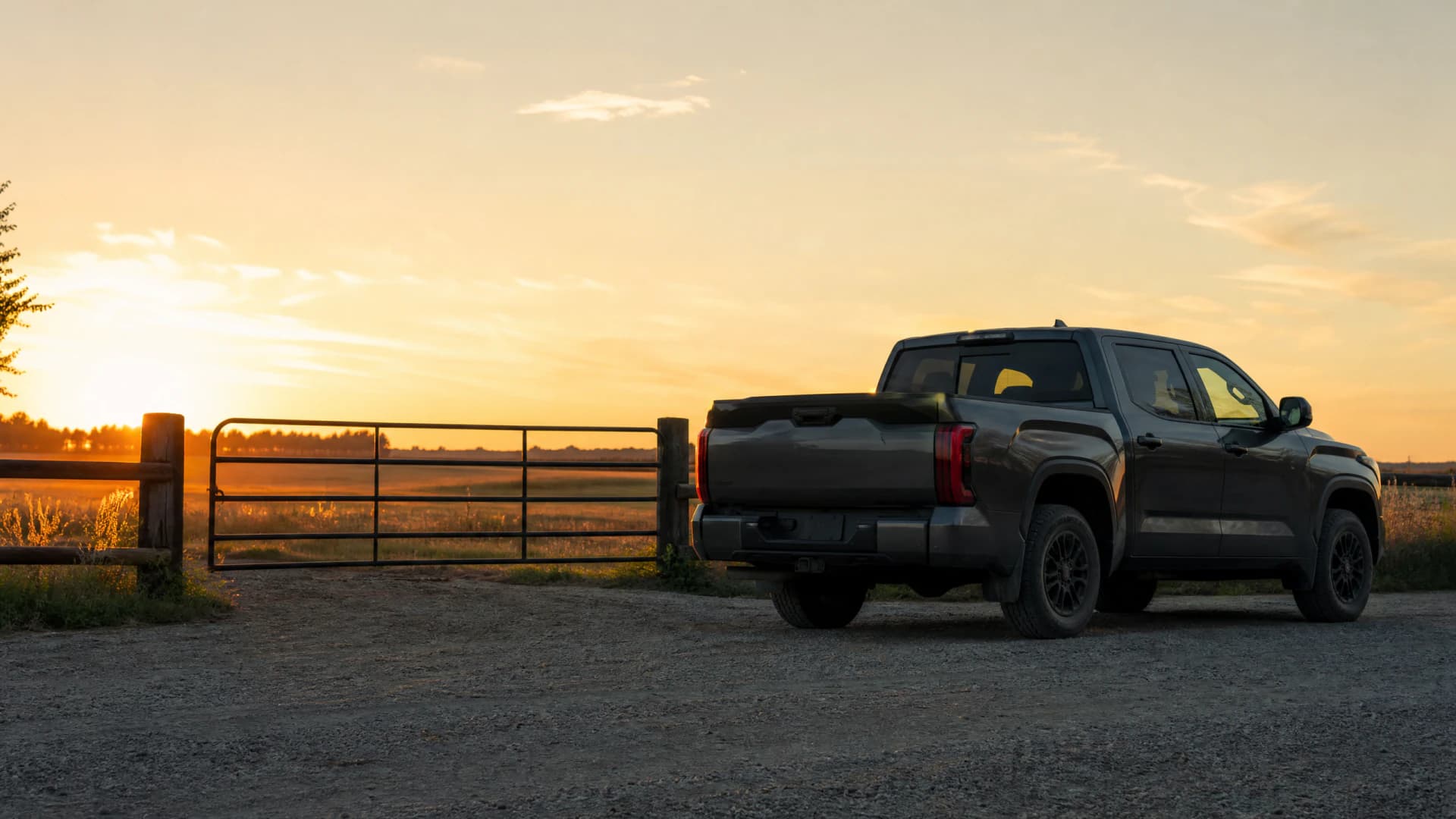
Officers can reject digital proof if your phone is inaccessible, the screen is cracked and unreadable, or the app won't load — and issue a citation on the spot.





How Multi-Vehicle Policies Complicate Proof
If you insure two or more vehicles on one policy, your carrier typically issues one card listing all vehicles or a blanket "all owned autos" designation. Either format works for proof. The confusion arises when household members drive different cars: if your spouse is stopped in the second car and only has the card for the first vehicle, the officer may question whether that car is actually insured. The policy number and coverage dates match, but the VIN doesn't, and not every officer knows how multi-vehicle policies work.
The cleanest solution: request individual cards for each vehicle from your carrier. Most insurers generate them on demand at no charge. Keep the card for each car in that car's glovebox, and keep a digital copy of the full policy declaration page on your phone as a backup showing all vehicles.
A second complication: if you recently added a vehicle mid-term, your old card may not list it yet. Carriers typically send updated cards within a few days of adding a vehicle, but the gap leaves you without valid proof for the new car. Call your carrier and ask them to email a temporary card immediately — most can generate one while you're on the phone.
6.4%
Idaho Uninsured Motorist Rate
Roughly 6.4% of Idaho drivers operate without insurance, one of the lowest rates in the region. Officers check proof aggressively because uninsured drivers cost insured households through higher premiums and uninsured-motorist claims.
Insurance Research Council, 2023

Proof Requirements for Registration and Reinstatement
When you register a vehicle or renew registration in Idaho, the DMV requires proof of current liability insurance meeting state minimums. You can provide a paper card, show a digital card on your phone, or have your insurer file electronic verification directly with the state. Many carriers participate in Idaho's electronic verification system, which lets the DMV confirm coverage in real time without requiring you to show a card. If your carrier participates, the DMV clerk will tell you verification is on file; if not, you must provide the card yourself.
Reinstatement after a suspension requires proof plus additional steps. If your license was suspended for driving without insurance, you must file an SR-22 certificate with the Idaho Transportation Department and maintain it for three years. The SR-22 is not insurance — it's a filing your carrier submits to the state certifying you carry at least minimum liability coverage. If your policy lapses during the three-year period, your carrier notifies the state, and your license suspends again immediately.
Compare Carriers That Simplify Multi-Vehicle Proof
Not all carriers handle multi-vehicle proof the same way. Some automatically issue individual cards for each vehicle when you add a second or third car; others require you to request them. Some carriers' mobile apps let you generate a proof-of-insurance card for a specific vehicle on demand; others show only the full policy card listing all vehicles, which works but can confuse officers unfamiliar with multi-car policies. If you manage multiple vehicles, ask your carrier or agent how they handle proof before you bind the policy. Carriers writing in Idaho that support multi-vehicle policies include State Farm, Geico, Progressive, Allstate, Farmers, and USAA, among others. Compare how each structures proof and whether they participate in Idaho's electronic verification system, which eliminates the need to carry a card for registration transactions.
What Happens When You Can't Show Proof
If you cannot show proof when an officer asks, you receive a citation for failure to provide proof of insurance. You can resolve the citation by providing proof to the court that you had valid coverage on the date of the stop — most courts dismiss the fine if you show retroactive proof within the deadline stated on the citation, typically 10 to 15 days. If you did not have coverage, the citation stands, and the Idaho Transportation Department may suspend your registration and driving privileges.
At the DMV, failure to provide proof blocks your transaction. You cannot register a vehicle, renew registration, or reinstate a suspended license without showing current proof of insurance. If your policy lapsed and you're trying to reinstate, you must file an SR-22 certificate for three years if the lapse triggered a suspension.
Get Your Free Quote
Get My Idaho Car Insurance QuoteFrequently Asked Questions
Does Idaho accept digital proof of insurance?
Yes. Idaho law allows electronic proof of insurance statewide. Officers and DMV staff accept insurance cards displayed on your phone, but they can reject digital proof if your phone is inaccessible, the screen is unreadable, or the app won't load.
What happens if I can't show proof of insurance when pulled over in Idaho?
Most courts dismiss the fine if you provide proof to the court that you had valid coverage on the date of the stop, typically within 10 to 15 days.
Can I use one insurance card for multiple vehicles in Idaho?
Yes, if your card lists all vehicles or states "all owned autos." If each vehicle has a separate card, carry the card matching the car you're driving. Request individual cards from your carrier to avoid confusion at traffic stops.
Do I need proof of insurance to register a car in Idaho?
Yes. The Idaho DMV requires proof of current liability insurance meeting state minimums to register or renew registration. You can provide a paper or digital card, or your carrier can file electronic verification directly with the state.
What is an SR-22 and when do I need one in Idaho?
An SR-22 is a certificate your carrier files with the Idaho Transportation Department certifying you carry at least minimum liability coverage. You need one for three years after a license suspension for driving without insurance, DUI, or certain serious violations.
How long does it take to get an insurance card after adding a vehicle in Idaho?
Most carriers send updated cards within a few days of adding a vehicle, but the gap leaves you without valid proof. Call your carrier and ask them to email a temporary card immediately — most generate one while you're on the phone.