
Liability-Only vs Full Coverage Car Insurance — Idaho
Free to compare
The Multi-Car Coverage Decision Idaho Households Face
You own two or three vehicles. One is newer, financed or leased. Idaho law requires liability coverage on every car you register — $25,000 per person for bodily injury, $50,000 per accident, and $15,000 for property damage. But the law says nothing about collision or comprehensive. You're trying to figure out whether to carry full coverage on all of them, liability-only on all of them, or split the difference.
The question isn't just what each car is worth. It's how mixing coverage levels across vehicles on the same policy changes what you pay per car, how the multi-car discount applies, and what happens when one vehicle's claim history affects the premium for every other car in the household. Single-car advice tells you to drop full coverage when a vehicle is worth less than ten times the annual premium. That rule breaks down when you're managing coverage across three cars on one policy, because the math and the risk pool work differently.
“Losing one car does not cut your premium by one-third — it re-rates the remaining vehicles at a smaller discount tier.”

Get More Than the Idaho Minimum for Less
Get My Idaho Car Insurance Quote$25,000 / $50,000 / $15,000
Idaho Minimum Liability Limits
Idaho Code Title 49 Chapter 12 requires every registered vehicle to carry at least $25,000 bodily injury per person, $50,000 per accident, and $15,000 property damage. These minimums apply to every car in your household, whether you carry full coverage or not.
Idaho Code Title 49 Chapter 12
What Liability-Only Actually Covers Across Multiple Vehicles
Liability-only means you carry the state minimums and nothing else. If you cause an accident, your policy pays the other driver's medical bills up to $25,000 per person and $50,000 total, and their vehicle damage up to $15,000. It does not pay to repair your own car. It does not pay if your car is stolen, hail-damaged, or totaled by a deer. It does not pay your own medical bills unless you add personal injury protection separately.
When you carry liability-only on multiple vehicles, each car is covered for the damage it causes to others, but none of them are covered for damage to themselves. If your household owns three cars and all three carry liability-only, a single at-fault accident totals one vehicle and leaves you with two cars and the same insurance bill. The policy does not reduce the premium when a vehicle is totaled — you're still paying to insure the two remaining cars at the multi-car rate, and you're replacing the third out of pocket.
This is the structural reality liability-only households miss: the multi-car discount applies to the policy, not to individual vehicles. Losing one car does not cut your premium by one-third. It removes one vehicle from the policy and re-rates the remaining cars at a two-vehicle discount tier, which is smaller than the three-vehicle tier. You pay less total, but more per car.
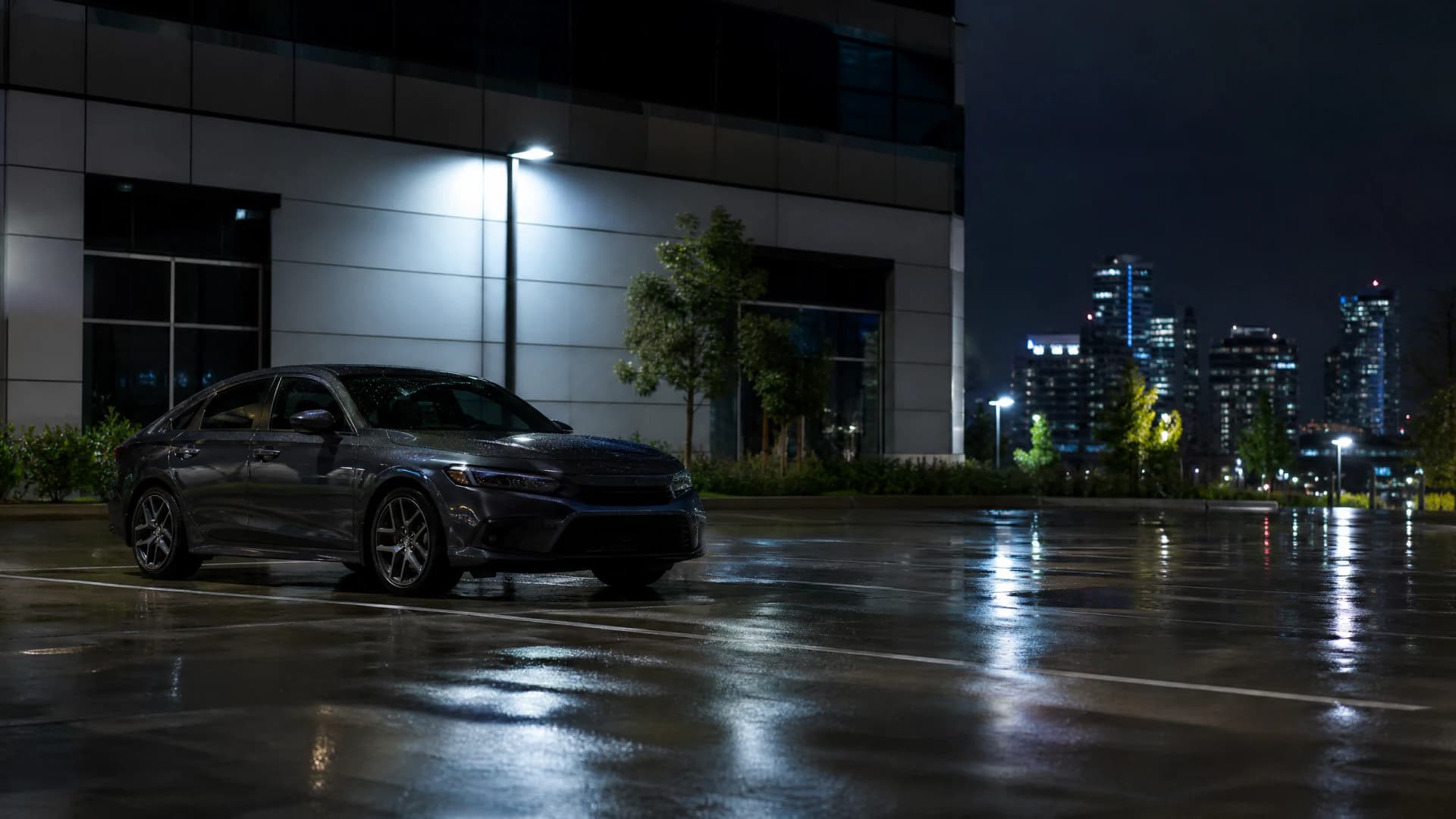
Liability-only on multiple vehicles leaves every car unprotected from theft, weather, and at-fault collisions. One totaled vehicle does not reduce your premium proportionally — it re-rates the policy at a smaller discount tier.
Related Articles






When Full Coverage Makes Sense for Some Cars and Not Others
The conventional rule: drop full coverage when a vehicle is worth less than ten times the annual cost of collision and comprehensive. This rule assumes you're insuring one car. On a multi-car policy, the rule bends because the per-vehicle cost of collision and comprehensive changes with the number of vehicles on the policy and the way the carrier applies the multi-car discount to physical-damage coverages.
A better frame for multi-car households: carry full coverage on any vehicle you cannot afford to replace out of pocket, and on any vehicle where the lender or lessor requires it. Drop full coverage on vehicles you can afford to replace and where the annual cost of collision and comprehensive exceeds 15 to 20 percent of the vehicle's value. The threshold is higher on a multi-car policy because losing one vehicle and re-rating the policy at a smaller discount tier often costs more over time than paying to insure the at-risk vehicle with full coverage.
Idaho does not require collision or comprehensive on any vehicle, even financed ones. The lender or lessor requires it as a condition of the loan or lease agreement. If you drop full coverage on a financed vehicle without the lender's knowledge, the lender will force-place coverage at a much higher rate and bill you for it. If you own the vehicle outright, you can drop full coverage at any time. The state will not suspend your registration. The carrier will not cancel the policy. You simply lose the protection for that vehicle's physical damage.
6.4%
Idaho Uninsured Motorist Rate
Approximately 6.4% of Idaho drivers carry no insurance. When an uninsured driver hits your car, liability-only leaves you paying for your own repairs. Full coverage with collision pays your damage minus the deductible, then the carrier pursues the at-fault driver for reimbursement.
Insurance Information Institute, 2023
How Mixing Coverage Levels Affects Your Multi-Car Premium
When you carry full coverage on one vehicle and liability-only on another, the carrier prices each vehicle separately and then applies the multi-car discount to the combined policy. The discount typically applies to liability coverage on every vehicle. Whether it applies to collision and comprehensive depends on the carrier. Some carriers apply the multi-car discount only to liability and leave physical-damage coverages at single-car rates. Others apply a smaller percentage discount to collision and comprehensive than they apply to liability.
This creates a structural quirk: adding a third vehicle with liability-only can lower the per-vehicle cost of liability coverage on the two vehicles that carry full coverage, because the policy moves into a higher multi-car discount tier. But the collision and comprehensive premiums on those two vehicles may not drop at all, because the carrier does not apply the multi-car discount to physical-damage coverages. The result is a lower total premium, but the savings come entirely from the liability side. The full-coverage vehicles cost almost the same as they did before you added the third car.
Carriers that write multi-car policies in Idaho include State Farm, Geico, Progressive, Allstate, American Family, Farmers, and USAA. Not all of them structure the multi-car discount the same way. Some require every vehicle to be garaged at the same address. Some allow vehicles garaged at different addresses as long as they are titled to the same household. Some apply the discount only when every vehicle on the policy is titled to the same person. When you're comparing carriers, ask how the multi-car discount applies to collision and comprehensive, not just liability. The answer changes the math.
Compare Carriers That Write Your Household's Coverage Structure
The decision between liability-only and full coverage is not binary across your household. It is vehicle-specific. The financed car carries full coverage because the lender requires it. This is the structure most multi-car Idaho households land on.
Once you know which vehicles carry full coverage and which carry liability-only, compare carriers that write multi-car policies in Idaho and ask how they apply the discount to physical-damage coverages. Get quotes that reflect your actual household: three vehicles, two with full coverage, one with liability-only, all garaged at the same address or at different addresses if that matches your situation. The premium difference between carriers that apply the multi-car discount to collision and comprehensive and carriers that do not can exceed the difference between liability-only and full coverage on the marginal vehicle. Start with carriers licensed to write in Idaho and compare the per-vehicle breakdown, not just the total.
What Full Coverage Adds and What It Costs Per Vehicle
When you add full coverage to one vehicle on a multi-car policy, that vehicle's premium increases by the cost of collision and comprehensive, minus any multi-car discount the carrier applies to those coverages. Not all carriers discount physical-damage coverages the same way they discount liability. Some apply the multi-car discount only to liability and leave collision and comprehensive at full price. Others apply a smaller discount to physical-damage coverages. The result: adding full coverage to one car can cost more per vehicle on a multi-car policy than it would on a single-car policy, depending on how the carrier structures the discount.
The deductible you choose — $500, $1,000, or higher — determines how much the carrier pays after a claim. A $500 deductible means you pay the first $500 of repair costs and the carrier pays the rest. A $1,000 deductible lowers the premium but increases what you pay out of pocket after a collision or comprehensive claim. On a multi-car policy, you choose the deductible separately for each vehicle. You can carry a $500 deductible on the financed car and a $1,000 deductible on the older paid-off car. The carrier prices each vehicle's collision and comprehensive coverage based on its own deductible, value, and claim history.
Get Your Free Quote
Get My Idaho Car Insurance QuoteFrequently Asked Questions
Does Idaho require full coverage on financed cars?
Idaho does not require full coverage on any vehicle. The lender or lessor requires collision and comprehensive as a condition of the loan or lease agreement. If you drop full coverage without the lender's knowledge, the lender will force-place coverage at a higher rate and bill you for it.
Can I carry full coverage on one car and liability-only on another in the same household?
Yes. Idaho allows you to carry different coverage levels on different vehicles as long as every vehicle meets the state's minimum liability requirements of $25,000/$50,000/$15,000. The carrier prices each vehicle separately and applies the multi-car discount to the combined policy.
What happens to my multi-car discount if I total one vehicle?
The carrier removes the totaled vehicle from the policy and re-rates the remaining vehicles at a smaller multi-car discount tier. You pay less total, but more per vehicle. The discount applies to the number of vehicles on the policy, not to the vehicles you used to own.
Does the multi-car discount apply to collision and comprehensive or just liability?
It depends on the carrier. Some apply the multi-car discount only to liability coverage and leave collision and comprehensive at single-car rates. Others apply a smaller percentage discount to physical-damage coverages. Ask the carrier how the discount applies to each coverage type before you buy.
When should I drop full coverage on an older car in a multi-car household?
Drop full coverage when the annual cost of collision and comprehensive exceeds 15 to 20 percent of the vehicle's value and you can afford to replace the car out of pocket. On a multi-car policy, the threshold is higher than on a single-car policy because losing one vehicle and re-rating the policy at a smaller discount tier can cost more over time.
Do all vehicles on a multi-car policy need to be garaged at the same address?
Most carriers require every vehicle on a multi-car policy to be garaged at the same address. Some allow vehicles garaged at different addresses as long as they are titled to the same household. Carrier rules vary — confirm the garaging requirement before adding a vehicle to the policy.