
When to Drop Full Coverage — Idaho
Free to compare
The Multi-Vehicle Coverage Question
You have three cars on one Idaho policy. You're paying collision and comprehensive on all three, and the premium feels heavy. You want to know: can you drop full coverage on the old truck without changing anything on the other two cars?
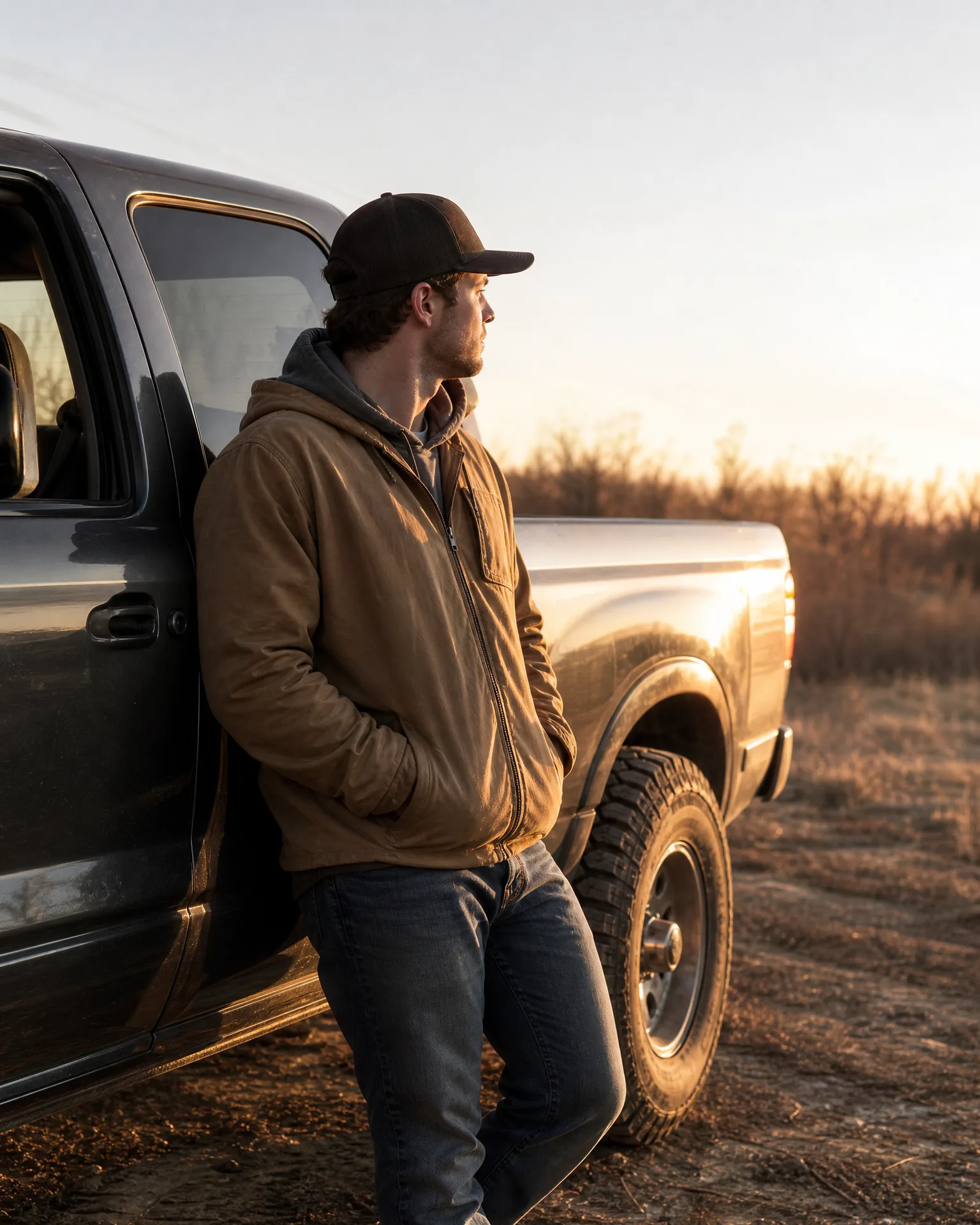
The answer is yes. Idaho carriers let you structure coverage differently across vehicles on the same policy. You can carry liability-only on the pickup and keep full coverage on the newer cars. The multi-car discount stays intact because all three vehicles remain on one policy. What changes is the coverage election per vehicle, and that decision hinges on each car's value, your household's ability to replace it out of pocket, and whether a lender holds the title.
“Dropping collision and comprehensive on one vehicle does not remove that car from the policy or eliminate the multi-car discount.”
Get More Than the Idaho Minimum for Less
Get My Idaho Car Insurance Quote$15,000/$50,000/$25,000
Idaho Minimum Liability
Idaho requires $25,000 per person bodily injury, $50,000 per accident bodily injury, and $15,000 property damage. These minimums apply to every vehicle you own, regardless of its value. Dropping collision and comprehensive does not reduce your liability requirement.
Idaho Code Title 49 ch. 12
What Full Coverage Actually Protects
Full coverage is shorthand for a policy that includes collision and comprehensive in addition to liability. Collision pays to repair your car after an accident you cause or a single-vehicle crash. Comprehensive pays for theft, vandalism, hail, fire, and animal strikes. Both coverages carry a deductible, typically $500 or $1,000, and both pay up to the car's actual cash value at the time of loss.
Liability coverage is mandatory in Idaho and protects the other driver when you cause an accident. It does not repair your own car. When you drop full coverage, you keep liability and lose the protection that pays to fix or replace your vehicle. That trade makes sense when the car's value is low enough that you can afford to replace it yourself, or when the annual cost of collision and comprehensive exceeds a reasonable fraction of what the car is worth.
For households with multiple vehicles, the calculation runs separately for each car. That difference drives the decision.
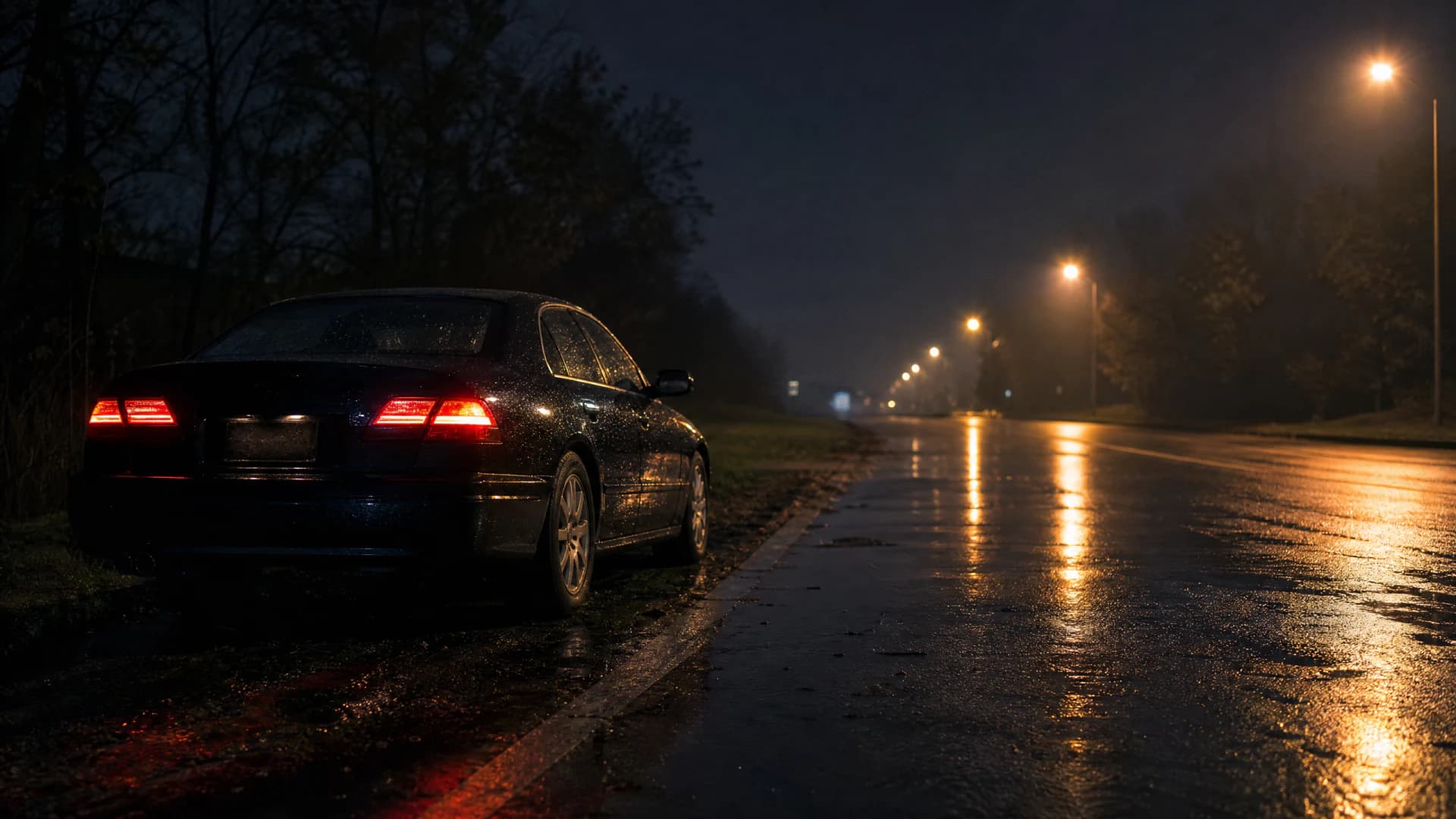
Dropping full coverage on one vehicle does not affect the coverage or premium on your other cars. Each vehicle's collision and comprehensive election is independent.
Related Articles




How Lenders and Lease Companies Constrain the Decision
If a lender holds the title, you cannot drop collision and comprehensive until the loan is paid off. The lender is named on the policy as a loss payee, and the financing agreement requires full coverage for the life of the loan. Leased vehicles carry the same restriction. You can drop coverage only on vehicles you own outright.
For Idaho households with multiple financed vehicles, this means the decision applies only to the cars with no lien. A household with three cars—two financed, one owned—can drop full coverage only on the owned vehicle. The financed cars must carry collision and comprehensive regardless of their value or the household's preference. Once a loan is satisfied, the lender releases the title and the coverage decision becomes yours.
Check your loan payoff balance before making the decision.
68.5 per 100,000
Idaho Vehicle Theft Rate
Idaho recorded 68.5 motor vehicle thefts per 100,000 population in 2024, below the national average. Comprehensive coverage pays for theft. If your older vehicle is garaged in a low-theft area and its value is modest, the theft risk may not justify the comprehensive premium.
Idaho state crime statistics, 2024
How Dropping Coverage Affects Your Multi-Car Discount
The multi-car discount applies when you insure two or more vehicles on the same policy. Dropping collision and comprehensive on one vehicle does not remove that car from the policy or eliminate the discount. The vehicle remains on the policy with liability coverage, and the multi-car discount continues to apply across all vehicles. What changes is the total premium: you pay less because one car now carries fewer coverages.
Some Idaho households worry that reducing coverage on one car will trigger a policy re-rating that raises premiums on the other vehicles. That does not happen. Each vehicle's collision and comprehensive premium is calculated separately based on that car's value, age, and use. Dropping coverage on the old truck does not increase the premium on the newer sedan. The only change is the elimination of the collision and comprehensive line items for the vehicle where you dropped coverage.
Compare Carriers Before You Drop
Before you drop full coverage on any vehicle, compare what different carriers charge for the same coverage. Idaho licenses carriers including State Farm, GEICO, Progressive, Allstate, Farmers, Nationwide, and USAA. Collision and comprehensive premiums vary significantly by carrier for the same vehicle.
Run quotes for your entire household's vehicles with and without full coverage on the older car. Compare the total annual premium across carriers in both scenarios. You may find that switching carriers saves more than dropping coverage, or that a different carrier makes keeping full coverage on the older vehicle affordable. The goal is not to drop coverage reflexively when a car ages; the goal is to pay the lowest total premium for the coverage structure that fits your household's risk tolerance and financial position. Idaho's average annual auto insurance expenditure per insured vehicle is $888.07, but that figure masks wide variation by household, vehicle mix, and carrier.
The Vehicle-Value Threshold
Start with the car's actual cash value. Not what you paid, not what you owe, but what a buyer would pay today. Idaho titles 2,031,332 vehicles; older cars depreciate quickly in the first five years, then flatten. That math favors dropping coverage and banking the premium savings.
For newer vehicles, the equation flips. Idaho households with multiple vehicles can apply this threshold independently to each car, keeping full coverage on high-value vehicles and dropping it on older ones.
Get Your Free Quote
Get My Idaho Car Insurance QuoteFrequently Asked Questions
Can I drop full coverage on one car and keep it on another on the same Idaho policy?
Yes. Idaho carriers allow you to structure coverage differently across vehicles on the same policy. You can carry liability-only on an older vehicle and keep collision and comprehensive on newer cars. The multi-car discount remains intact because all vehicles stay on one policy.
What happens to my multi-car discount if I drop collision and comprehensive on one vehicle?
The multi-car discount continues. Dropping collision and comprehensive does not remove the vehicle from your policy. The car remains insured with liability coverage, and the discount applies across all vehicles. Your total premium decreases because one car now carries fewer coverages.
How do I know when a car is too old to justify full coverage in Idaho?
Apply the 10% rule: consider dropping collision and comprehensive when the annual cost of both coverages exceeds 10% of the vehicle's current value, and you can afford to replace the car out of pocket.
Can I drop full coverage on a financed vehicle in Idaho?
No. If a lender holds the title, you must carry collision and comprehensive until the loan is paid off. The financing agreement requires full coverage for the life of the loan. You can drop coverage only on vehicles you own outright.
Does dropping full coverage on one car affect the premium on my other vehicles?
No. Each vehicle's collision and comprehensive premium is calculated separately. Dropping coverage on one car does not increase the premium on your other vehicles. The only change is the elimination of the collision and comprehensive line items for the vehicle where you dropped coverage.
What Idaho minimum liability coverage must I keep if I drop full coverage?
Idaho requires $25,000 per person bodily injury, $50,000 per accident bodily injury, and $15,000 property damage on every vehicle you own. Dropping collision and comprehensive does not reduce your liability requirement. You must maintain these minimums regardless of your vehicle's value.