
Minimum Coverage for Multiple Vehicles — Idaho
Free to compare
When Minimum Liability Covers Registration but Not Risk
You own two or three vehicles, and you're looking at Idaho's minimum liability requirement: $25,000 per person for bodily injury, $50,000 per accident, and $15,000 for property damage. That's the floor to register each car and drive legally. But when one policy covers multiple vehicles and multiple drivers in your household, the question shifts from what the state requires to what actually protects your household if someone in your family causes a serious accident.
Idaho's minimums apply per vehicle, not per policy. A household policy covering three cars still carries the same $25,000/$50,000/$15,000 limit per incident, no matter which vehicle is involved. If your teenager drives one of those cars into another vehicle and injures two people, your liability coverage pays up to $25,000 per injured person and $50,000 total for bodily injury. Medical bills from a moderate-severity crash routinely exceed those limits, and the difference comes out of your household assets.
“Idaho's $50,000 bodily injury cap is the total your policy pays for all injuries in a single accident, regardless of which vehicle caused it.”

Get More Than the Idaho Minimum for Less
Get My Idaho Car Insurance Quote$25,000 / $50,000 / $15,000
Idaho Minimum Liability Limits
Idaho Code Title 49 Chapter 12 sets these as the minimum bodily injury and property damage liability amounts required to register and legally operate a motor vehicle in Idaho. These limits apply per vehicle, not per policy.
Idaho Transportation Department, Division of Motor Vehicles
What Minimum Liability Actually Covers Across Multiple Vehicles
Minimum liability pays for damage you cause to others: their medical bills, their vehicle repairs, their lost wages. It does not pay to repair your own vehicles. If you carry only the state minimum and one of your cars is totaled in an at-fault accident, you pay to replace that car out of pocket. If another driver hits your parked car and has no insurance, your minimum-liability-only policy pays nothing for your repairs unless you added uninsured motorist property damage coverage, which Idaho does not require.
When you insure multiple vehicles on one policy, each car is listed on the declarations page, but the liability limit applies per accident, not per car. A household with three insured vehicles does not get triple the liability coverage. The $50,000 bodily injury cap is the total your policy pays for all injuries in a single accident, regardless of which vehicle in your household caused it.
This structure creates exposure for multi-vehicle households. More cars mean more drivers, more trips, and statistically more opportunities for an at-fault accident. If your household includes a new driver, an older vehicle driven by a teenager, or a commuter vehicle driven daily in Boise traffic, the probability of a claim rises. The minimum limit does not scale with that risk.
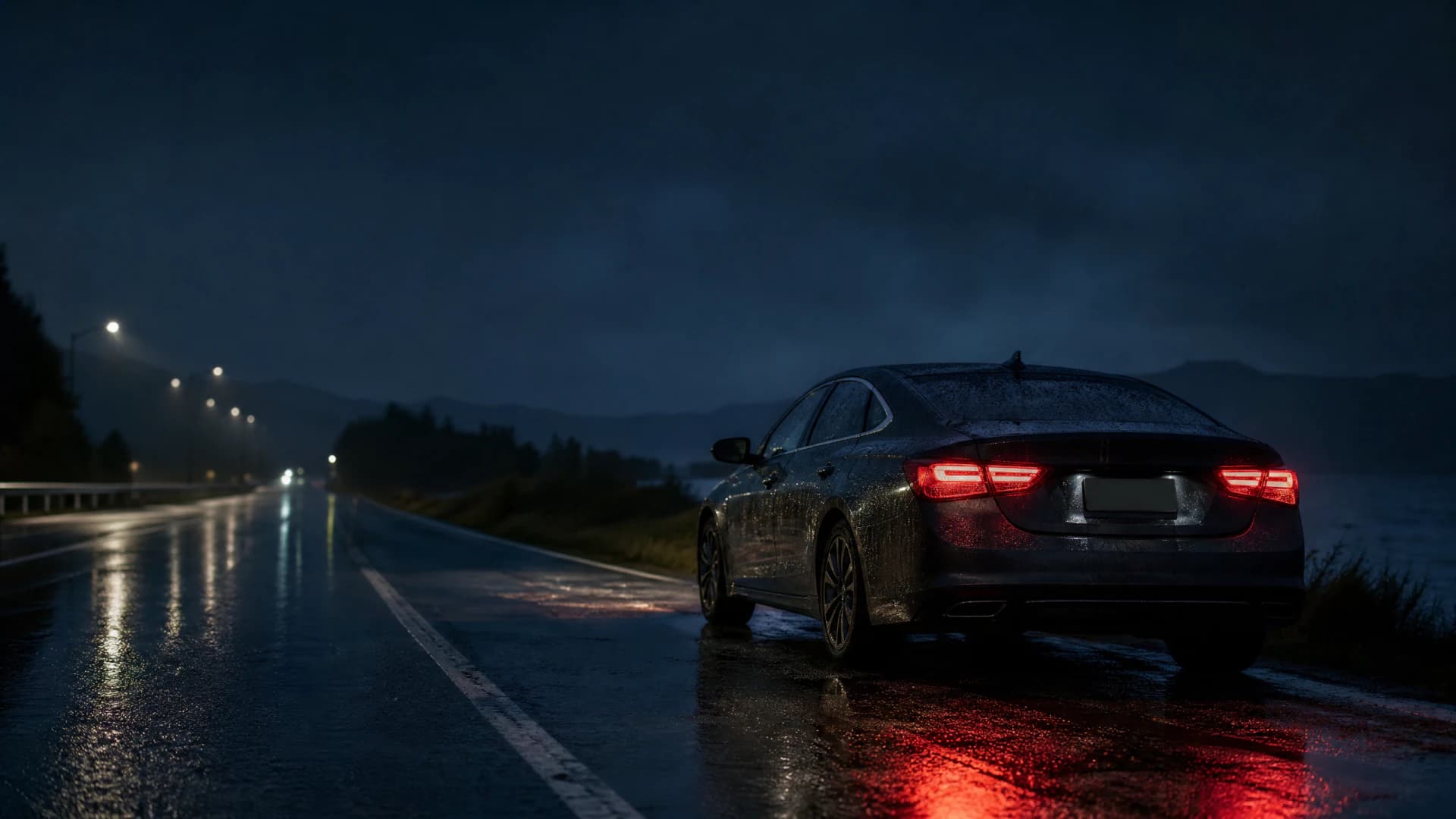
Idaho's minimum liability protects your registration status, not your household assets. A single moderate-severity accident can exceed $50,000 in bodily injury costs.



Higher Liability Limits and Uninsured Motorist Coverage
Raising your liability limits above Idaho's minimums costs less than most households expect. For a multi-vehicle household, that additional coverage protects home equity, savings, and future wages if someone in your household causes a serious accident.
Idaho does not require uninsured motorist coverage, but 6.4% of Idaho drivers carry no insurance. Uninsured motorist bodily injury coverage pays your household's medical bills if an uninsured driver hits one of your vehicles and injures you or your passengers. Underinsured motorist coverage pays the difference when the at-fault driver's liability limit is too low to cover your injuries. Both coverages follow your policy, so they protect every vehicle and every driver listed on your household policy.
For households insuring multiple vehicles, uninsured and underinsured motorist coverage fills a gap minimum liability leaves open. Your own liability coverage pays others when you cause an accident; uninsured motorist coverage pays you when someone else causes an accident and cannot. The combination protects your household from both directions.
6.4%
Idaho Uninsured Motorist Rate
As of 2023, 6.4% of Idaho motorists drive without insurance. Uninsured motorist coverage protects your household when an at-fault driver has no liability policy to pay your injuries or vehicle damage.
Insurance Research Council, 2023
When One Vehicle's Coverage Affects the Whole Household
A multi-vehicle policy lists every car and every driver in your household. If one driver has a DUI, a suspended license, or multiple at-fault accidents, that history affects the premium for every vehicle on the policy, even if that driver is assigned to only one car. Carriers rate the household as a unit, not each vehicle in isolation. Dropping a high-risk driver from your policy is not always possible if they live in your household and have access to your vehicles, and excluding them formally means they have zero coverage if they drive one of your cars.
Some households address this by placing the high-risk driver and their vehicle on a separate policy. This works when the driver can qualify for their own policy and when the household can afford two separate policies without the multi-car discount. The trade-off is higher combined premium in exchange for isolating the high-risk driver's surcharge to one vehicle.
Compare Carriers That Write Multi-Vehicle Policies in Idaho
Nineteen carriers write auto insurance in Idaho and offer multi-vehicle policies. Allstate, American Family, Farmers, Geico, Liberty Mutual, National General, Progressive, State Farm, and USAA are among the carriers that write households with multiple vehicles. Each carrier prices liability, collision, and comprehensive differently, and each applies the multi-car discount differently. One carrier may offer a lower base rate with a smaller discount; another may have a higher base rate but a larger discount that makes the combined premium lower.
The multi-car discount typically requires every vehicle to sit on the same policy and share a garaging address. Adding a second vehicle to an existing policy re-rates the entire policy, not just the new car. That means your first vehicle's premium may change when you add a second. Comparing carriers before you add a vehicle shows you the total household premium with all cars included, not just the incremental cost of the new car. Use Idaho Car Insurance Requirements' comparison tool to see quotes from multiple carriers that write multi-vehicle policies in Idaho, structured around your household's actual vehicles and drivers.
Full Coverage Decisions for Each Vehicle
Collision coverage pays to repair your own vehicle after an at-fault accident or a collision with an object, minus your deductible. Comprehensive covers theft, vandalism, weather damage, and animal strikes. Both are optional under Idaho law, but lenders require them if you finance or lease. For a vehicle you own outright, the decision hinges on replacement cost.
Many multi-vehicle households carry full coverage on newer or financed vehicles and liability-only on older paid-off cars. This approach protects the household's higher-value assets while keeping premium manageable. The risk is that an at-fault accident totals your older car, and you pay to replace it yourself. For a household managing multiple vehicles, that trade-off often makes sense when the older car's value has dropped below the threshold where collision premiums justify the coverage.
Get Your Free Quote
Get My Idaho Car Insurance QuoteFrequently Asked Questions
Does Idaho require the same liability coverage on every vehicle I own?
Idaho requires every registered vehicle to carry at least $25,000/$50,000/$15,000 liability coverage. You can carry higher limits on some vehicles and minimums on others, but every car must meet the state floor. Collision and comprehensive are optional unless required by your lender.
Can I insure multiple cars with different coverage levels on one policy?
Yes. Most carriers let you structure different coverage on each vehicle within a single multi-vehicle policy. You might carry full coverage on a financed car and liability-only on an older paid-off car. The liability limit applies per accident, not per vehicle, so raising it protects your household across all cars.
What happens if my teenager totals our older car and we only carry liability?
Your liability coverage pays for damage your teenager causes to others. It does not pay to repair or replace your own vehicle. If you carry only liability and your car is totaled in an at-fault accident, you pay to replace it out of pocket. Collision coverage would pay for your vehicle minus your deductible.
How much does it cost to raise liability limits above Idaho's minimum?
For multi-vehicle households, higher limits protect home equity and savings if someone in your household causes a serious accident.
Do I need uninsured motorist coverage if I already have liability?
Liability coverage pays others when you cause an accident. Uninsured motorist coverage pays you when an uninsured driver hits your vehicle and injures you or your passengers. Idaho does not require it, but 6.4% of Idaho drivers have no insurance. For multi-vehicle households, uninsured motorist coverage protects every car and driver on your policy.
Can I drop collision on one vehicle and keep it on another?
Yes, if you own both vehicles outright. Lenders require collision and comprehensive if you finance or lease. For a paid-off car, you can drop collision and carry liability-only. Many multi-vehicle households keep full coverage on newer cars and liability-only on older ones to balance protection and premium.