
Transferring Car Insurance to Idaho — Multi-Vehicle Households
Free to compare
The Multi-Car Transfer Friction Point
You're relocating to Idaho with two or more vehicles currently insured on a single policy in another state. Your carrier confirmed the policy will transfer, but you don't know whether Idaho's minimum liability requirements force a coverage change, how re-registering every vehicle affects your premium, or whether your multi-car discount survives the state-line crossing intact.
The transfer process for a multi-vehicle household hits three procedural steps that single-car moves don't encounter: every vehicle on the policy must meet Idaho's $25,000 per person, $50,000 per accident bodily injury, and $15,000 property damage minimums simultaneously; the carrier re-rates the entire policy based on Idaho garaging addresses and risk factors; and the multi-car discount recalculates under Idaho's rating rules, which may differ structurally from your prior state.
“The carrier re-rates every vehicle the moment you update the garaging state to Idaho, and the multi-car discount applies after re-rating, not before.”

Get More Than the Idaho Minimum for Less
Get My Idaho Car Insurance Quote$25,000/$50,000/$15,000
Idaho Minimum Liability Limits
Every vehicle registered in Idaho must carry at least $25,000 bodily injury per person, $50,000 bodily injury per accident, and $15,000 property damage liability. If your current policy carries lower limits in any category, the carrier will require an upgrade before issuing Idaho proof of insurance.
Idaho Code Title 49, Chapter 12
What Actually Happens When You Transfer a Multi-Car Policy
A multi-car policy does not simply port from one state to another with updated addresses. The carrier treats the move as a policy change that triggers a full re-underwriting: every vehicle's garaging ZIP code, every driver's Idaho address, and the state's own rating factors replace the prior state's inputs. Idaho does not require personal injury protection or uninsured motorist coverage, but if your prior state mandated either and your current policy includes them, the carrier may drop those coverages or offer them as optional add-ons under Idaho rules.
The multi-car discount itself recalculates. Most carriers apply the discount as a percentage reduction to the combined premium after rating each vehicle individually. When the state changes, the base premium for each vehicle changes first, then the discount applies to the new total. A larger discount percentage on a lower Idaho base rate can produce a lower combined premium than a smaller discount on a higher out-of-state rate, or the reverse. The discount does not transfer as a fixed dollar amount.
If any vehicle on your policy does not meet Idaho's $25,000/$50,000/$15,000 minimums, the carrier will not issue proof of insurance for that vehicle until you authorize the coverage upgrade. This is a hard stop: Idaho law prohibits registration without proof of financial responsibility, and the Idaho Transportation Department will not accept out-of-state proof that falls below state minimums.
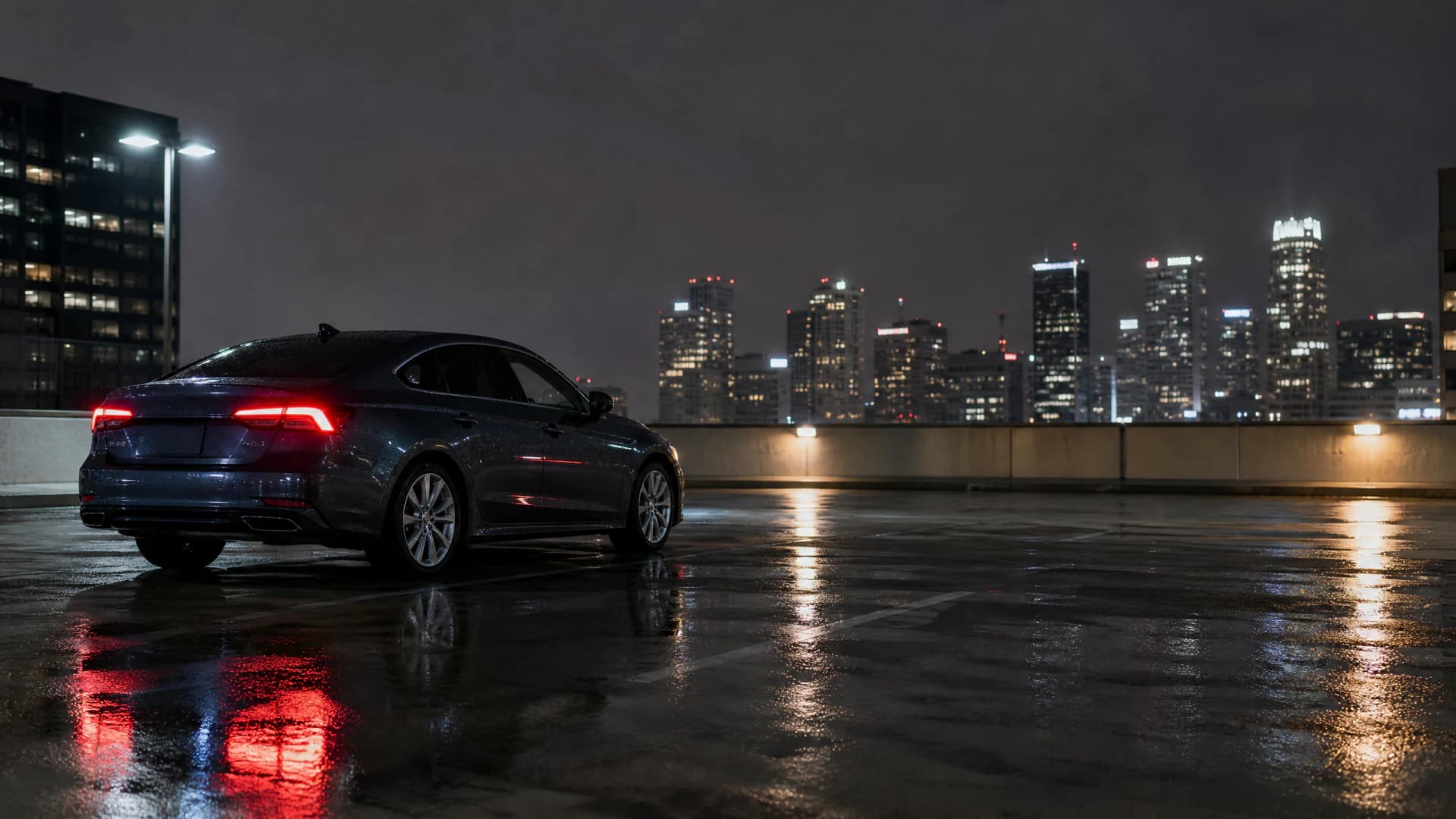
The carrier re-rates every vehicle on your policy the moment you update the garaging state to Idaho. The multi-car discount applies after re-rating, not before, and the new combined premium may be higher or lower than your prior state total regardless of discount percentage.



How Idaho's Rating Factors Change Your Multi-Car Premium
Idaho allows insurers to use credit-based insurance scores, and most carriers writing multi-car policies in the state apply credit as a rating factor. If your prior state restricted or banned credit-based pricing, the Idaho re-rate may produce a lower premium for households with strong credit or a higher premium for those with weaker scores. The carrier applies the credit factor to each vehicle's base rate before calculating the multi-car discount.
Idaho's uninsured motorist rate sits at 6.4 percent as of 2023, lower than many western states. Carriers price uninsured and underinsured motorist coverage as optional add-ons in Idaho. If your prior state mandated UM/UIM and you want to keep it, confirm that the Idaho policy includes it; the carrier may drop it automatically during the transfer unless you request retention. UM/UIM affects the combined premium and the effective value of the multi-car discount.
Garaging location within Idaho matters. A household garaging two vehicles in Boise and one in a rural county may see different base rates for each vehicle even though all three sit on the same policy. The multi-car discount applies to the combined total after each vehicle is rated individually by its own garaging ZIP code, so moving from a high-rate urban area in another state to a lower-rate Idaho location can amplify the discount's dollar value.
$888.07
Idaho Average Annual Auto Expenditure Per Vehicle
The average annual auto insurance expenditure per insured vehicle in Idaho was $888.07 in 2023. Multi-car households typically pay less per vehicle due to the multi-car discount, but the combined total depends on each vehicle's individual rating factors and the discount percentage the carrier applies.
NAIC Auto Insurance Database Report 2023
Keeping the Multi-Car Discount Intact Through the Transfer
The multi-car discount requires every vehicle to sit on the same policy and, for most carriers, to garage at the same address or within the same household. If you're moving with a spouse or household member who currently maintains a separate policy for their vehicle, the Idaho transfer is the natural moment to combine policies. Combining two single-car policies into one multi-car policy during the move often produces a lower combined premium than transferring both policies separately and combining them later, because the carrier rates the combined household as a single underwriting unit from the start.
If one vehicle will garage at a different Idaho address temporarily—a college student's car at a dorm, a work vehicle at a job site—confirm with the carrier whether that vehicle still qualifies for the same-policy multi-car discount. Some carriers allow it if the vehicle remains titled to a household member and the primary driver lists the household address as their permanent residence. Others require all vehicles to garage at the same address to maintain the discount. Clarify this before the transfer to avoid losing the discount on one vehicle after the move.
What to Do Right Now
Call your current carrier and provide your new Idaho garaging addresses for every vehicle on your policy. Ask for a re-rated Idaho quote that reflects the state's $25,000/$50,000/$15,000 minimum liability limits and confirms that your multi-car discount will apply to the new premium. If the quote is higher than expected or if your current carrier does not write in Idaho, compare quotes from carriers licensed in Idaho that offer multi-car discounts. Allstate, American Family, Farmers, Geico, Progressive, State Farm, and USAA all write multi-vehicle policies in Idaho and provide online quoting tools. Request quotes that include every vehicle you're moving, and confirm that each quote reflects Idaho's minimum coverage requirements and your household's multi-car discount eligibility before you finalize the transfer.
Documentation and Timing for the Transfer
Contact your current carrier before you move. Provide your new Idaho garaging address for every vehicle, confirm that each vehicle's current liability limits meet or exceed Idaho's $25,000/$50,000/$15,000 minimums, and request a quote for the re-rated Idaho policy. If any vehicle carries lower limits, authorize the upgrade now. The carrier will issue updated declarations pages showing Idaho garaging addresses and compliant coverage limits. Request electronic proof of insurance if the carrier offers it; Idaho accepts electronic proof for registration.
Register each vehicle with the Idaho Transportation Department within 90 days of establishing residency. You will need the updated proof of insurance, the vehicle title, an odometer disclosure if the vehicle is less than ten years old, and payment for registration fees. If you financed any vehicle, the lienholder's information must appear on the Idaho title application. The county assessor's office processes registration; bring proof of insurance for every vehicle you intend to register on the same day to avoid lapses.
Get Your Free Quote
Get My Idaho Car Insurance QuoteFrequently Asked Questions
Do I need to cancel my current policy before transferring to Idaho?
No. Contact your current carrier and update the garaging state and addresses for every vehicle on your policy. The carrier will re-rate the policy under Idaho rules and issue updated proof of insurance. Canceling the policy first creates a coverage gap that can trigger a lapse surcharge when you buy a new Idaho policy.
Will my multi-car discount percentage stay the same when I move to Idaho?
The discount percentage may change. Carriers apply state-specific rating rules, and Idaho's rules may produce a different discount percentage than your prior state. The carrier re-rates every vehicle on your policy based on Idaho garaging addresses and risk factors, then applies the multi-car discount to the new combined total.
Can I keep uninsured motorist coverage when I transfer my policy to Idaho?
Yes, but you must request it. Idaho does not require uninsured or underinsured motorist coverage, so if your prior state mandated it and your current policy includes it, the carrier may drop it automatically during the transfer unless you ask to keep it as an optional add-on.
How long do I have to register my vehicles in Idaho after moving?
You must register each vehicle within 90 days of establishing Idaho residency. You will need proof of insurance that meets Idaho's $25,000/$50,000/$15,000 minimum liability limits, the vehicle title, and payment for registration fees. The county assessor's office processes registration.
What happens if one of my vehicles has lower liability limits than Idaho requires?
The carrier will not issue Idaho proof of insurance for that vehicle until you authorize a coverage upgrade to meet the state's $25,000/$50,000/$15,000 minimums. You cannot register the vehicle in Idaho without compliant proof of insurance, so upgrade the coverage before you move to avoid registration delays.
Does Idaho accept electronic proof of insurance for registration?
Yes. Idaho accepts electronic proof of insurance displayed on a phone or other device for vehicle registration and traffic stops. Request electronic proof from your carrier if they offer it, and keep a copy accessible on your phone for every vehicle on your policy.