
Out-of-State Insurance in Idaho — Multi-Car Households
Free to compare
When Out-of-State Coverage Works in Idaho
You arrive at the Idaho Transportation Department with two vehicles, proof of insurance from your previous state, and a question: does your existing coverage satisfy Idaho's registration requirements? Idaho accepts out-of-state liability insurance during the registration window as long as the policy meets Idaho's minimum liability limits of $25,000 per person for bodily injury, $50,000 per accident for bodily injury, and $15,000 for property damage. The state does not require you to cancel your out-of-state policy the day you cross the border.
The structural reality most multi-car households miss: Idaho's acceptance of out-of-state coverage during registration does not mean your existing policy structure remains optimal once you establish residency. Your multi-car discount, your same-policy requirement, and your premium all reset when you move states. The carrier that wrote both vehicles in your previous state may not write both in Idaho, or may price them differently here. The policy structure that worked in your old state may cost more or cover less in Idaho.
“Moving resets your multi-car discount—the carrier that wrote both vehicles in your old state may price them differently in Idaho.”

Get More Than the Idaho Minimum for Less
Get My Idaho Car Insurance Quote$25,000 / $50,000 / $15,000
Idaho Minimum Liability Limits
Idaho Code Title 49 chapter 12 sets these as the floor for bodily injury per person, bodily injury per accident, and property damage. Out-of-state policies meeting or exceeding these amounts satisfy Idaho's registration requirement.
Idaho Code Title 49 ch. 12
How Moving States Resets Multi-Car Policy Structure
The multi-car discount almost always requires every vehicle to sit on the same policy, issued by the same carrier, garaged at the same address. When you move to Idaho, your garaging address changes. Your risk profile changes. Your state's rating factors change. Carriers re-rate policies at state lines, and some carriers do not write in Idaho at all.
If you carried two vehicles on one policy in your previous state, that policy structure does not automatically transfer to Idaho with the same discount intact. The carrier may re-rate both vehicles at Idaho's base rates, which may be higher or lower than your previous state's. The carrier may require you to re-file proof of garaging address, re-verify that both vehicles qualify for the same-policy discount, and re-apply the multi-car discount under Idaho's rules. Some carriers handle this automatically at renewal; others require you to initiate the change.
If you carried two vehicles on separate policies in your previous state, moving to Idaho gives you a clean decision point: combine them onto one Idaho policy to capture the multi-car discount, or keep them separate. The structural advantage of combining policies is the discount. The structural disadvantage is that adding or removing a vehicle, or a claim on one vehicle, re-rates the entire policy. Households with one high-risk driver and one clean driver sometimes keep policies separate to isolate the surcharge.
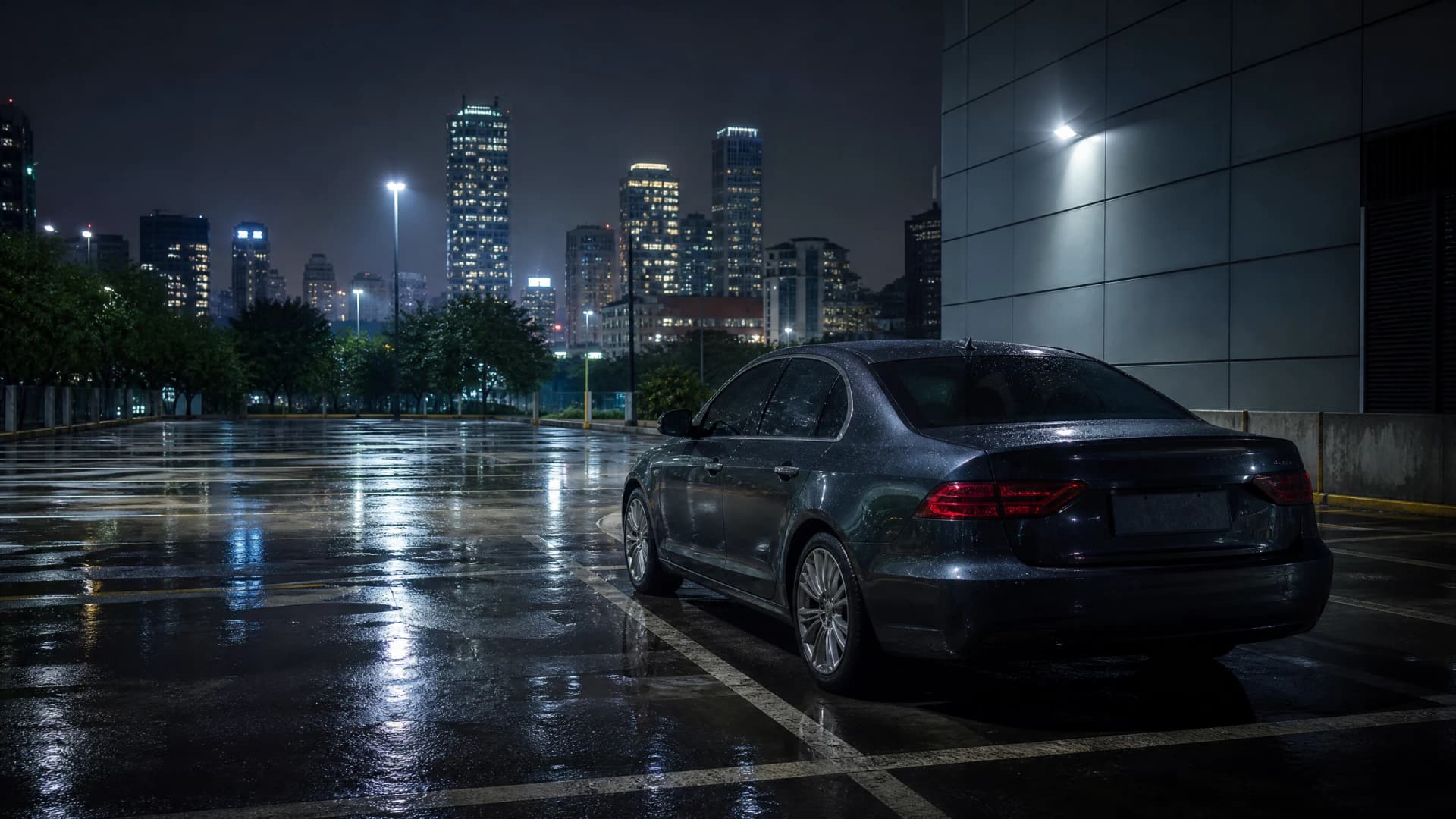
Your out-of-state carrier may not write both vehicles in Idaho, or may price them differently here, forcing a policy-structure decision most movers defer until renewal.







When You Must Switch to an Idaho Policy
Idaho does not set a statutory deadline by which you must cancel your out-of-state policy and obtain an Idaho policy. The state accepts out-of-state coverage during registration as long as it meets Idaho's minimum limits. The forcing function is your carrier's own underwriting rules, not Idaho law.
Most carriers require you to update your garaging address within 30 to 60 days of establishing residency. When you update your address, the carrier re-rates your policy at Idaho's base rates and applies Idaho's rating factors. If the carrier does not write in Idaho, it cancels your policy and refunds the unearned premium. If the carrier writes in Idaho but prices your vehicles higher here, your premium increases at the next billing cycle.
The failure mode most multi-car households hit: you defer updating your garaging address to avoid the rate increase, a claim occurs, and the carrier denies coverage because the vehicle was garaged at an address not listed on the policy. Misrepresenting your garaging address is material misrepresentation. The carrier can void the policy retroactively, leaving you personally liable for the claim and uninsured under Idaho law.
The procedural path that avoids this: update your garaging address with your current carrier within 30 days of moving, accept the re-rated premium, then compare Idaho carriers to see whether switching saves money. If your current carrier does not write in Idaho or prices both vehicles uncompetitively, you have 30 days from the address update to switch carriers without a lapse. Idaho does not penalize you for switching carriers mid-term as long as coverage remains continuous.
20 carriers
Idaho Auto Insurance Carrier Roster
Idaho's confirmed carrier roster includes 20 insurers writing auto policies in the state, spanning preferred, standard, and non-standard tiers. Not all write multi-car households at the same rate or accept the same vehicle types.
Idaho carrier roster, 2025

How to Compare Idaho Carriers for Two Vehicles
Comparing carriers for a multi-car household requires quoting both vehicles together, on the same policy, with the same garaging address. A quote for one vehicle does not predict the combined premium for two. The multi-car discount applies to the total premium, not to each vehicle individually, and the discount percentage varies by carrier. A smaller discount on a lower base rate can beat a larger discount on a higher base rate.
Request quotes from at least three Idaho carriers that write your vehicle types and driver profiles. Provide the same coverage limits, the same deductibles, and the same garaging address to every carrier. Compare the total annual premium for both vehicles combined, not the per-vehicle breakdown. The carrier with the lowest per-vehicle rate may not have the lowest combined rate once the multi-car discount applies.
Compare Idaho Carriers That Write Your Household
Your out-of-state policy satisfies Idaho's registration requirement if it meets the state's minimum liability limits, but moving resets your multi-car discount and your policy structure. The carrier that wrote both vehicles in your previous state may not write both competitively in Idaho. Update your garaging address within 30 days, then compare Idaho carriers that write multi-car households to see whether switching saves money. The comparison tool on this site connects you with carriers confirmed to write in Idaho.
Which Carriers Write Multi-Car Policies in Idaho
Allstate, American Family, Farmers, Geico, Liberty Mutual, Nationwide, Progressive, State Farm, Travelers, and USAA write standard and preferred-tier multi-car policies in Idaho. These carriers typically offer multi-car discounts when every vehicle sits on the same policy and garages at the same address. The discount structure, the same-policy requirement, and the base rate vary by carrier. A carrier that priced both vehicles competitively in your previous state may price them higher in Idaho, or may no longer write one of your vehicle types.
Bristol West, Dairyland, GAINSCO, National General, and The General write non-standard and high-risk policies in Idaho, including households with one clean driver and one driver carrying points or a violation. These carriers sometimes structure multi-car policies differently: separate policies per vehicle, or one policy with per-vehicle surcharges. If one of your vehicles or drivers does not qualify for standard-tier coverage, these carriers may be your only multi-car option in Idaho.
Get Your Free Quote
Get My Idaho Car Insurance QuoteFrequently Asked Questions
Does Idaho accept out-of-state car insurance?
Yes. Idaho accepts out-of-state liability insurance during vehicle registration as long as the policy meets Idaho's minimum limits of $25,000 per person for bodily injury, $50,000 per accident for bodily injury, and $15,000 for property damage. You are not required to cancel your out-of-state policy immediately upon moving.
How long can I keep my out-of-state insurance after moving to Idaho?
Idaho law does not set a specific deadline. Most carriers require you to update your garaging address within 30 to 60 days of establishing residency. When you update your address, the carrier re-rates your policy at Idaho's rates. If the carrier does not write in Idaho, it cancels your policy.
Will my multi-car discount transfer when I move to Idaho?
Not automatically. The multi-car discount resets when you move states because your garaging address, your risk profile, and your state's rating factors all change. Your carrier re-rates both vehicles at Idaho's base rates and re-applies the discount under Idaho's rules, which may differ from your previous state.
Do I need to combine my two cars onto one Idaho policy?
No, but combining them onto one policy typically captures the multi-car discount, which lowers your total premium. If you currently carry two separate policies, moving to Idaho gives you a clean decision point to combine them. The discount applies when both vehicles sit on the same policy with the same carrier.
What happens if I don't update my garaging address with my carrier?
If a claim occurs and your carrier discovers you were garaged at an address not listed on the policy, it can deny coverage for material misrepresentation. Misrepresenting your garaging address can void the policy retroactively, leaving you personally liable for the claim and uninsured under Idaho law.
Which Idaho carriers write multi-car policies?
Allstate, American Family, Farmers, Geico, Liberty Mutual, Nationwide, Progressive, State Farm, Travelers, and USAA write standard and preferred-tier multi-car policies in Idaho. Bristol West, Dairyland, GAINSCO, National General, and The General write non-standard policies, including households with one high-risk driver.